Barley Tea or Kombucha: A Practical Canadian Showdown for Your Kitchen Counter
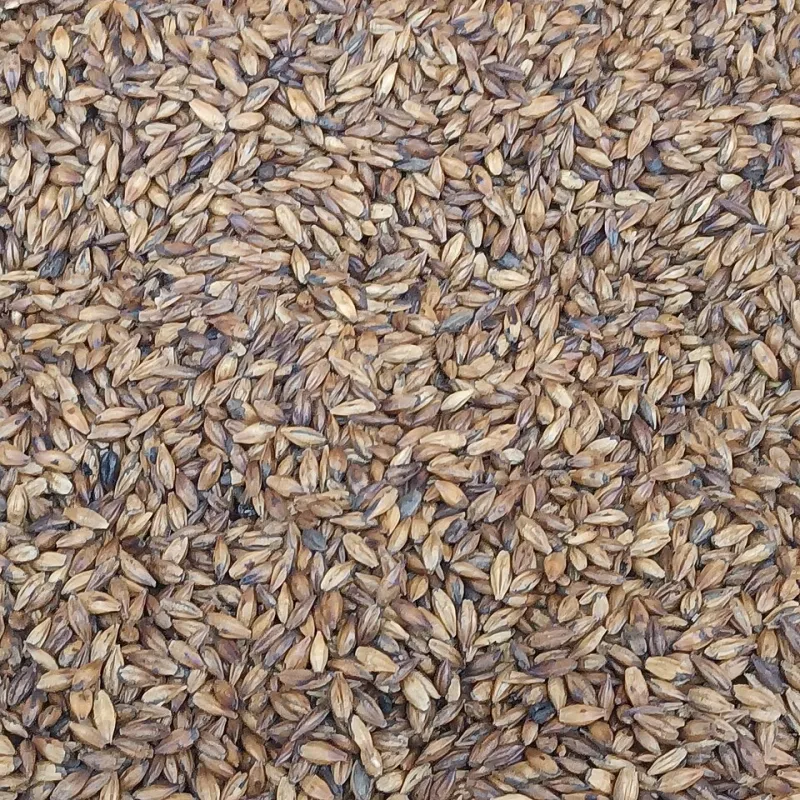
Photo: Fumikas Sagisavas, CC0, via Wikimedia Commons
Walk into almost any Canadian health food store these days and you'll find a dedicated kombucha fridge taking up prime real estate. Rows of amber bottles with hand-lettered labels, promising gut health and good vibes. But quietly — almost stubbornly — barley tea has been holding its own on kitchen counters from Victoria to Halifax, and more Canadians are starting to ask the obvious question: do I really need both?
We sat down with the numbers, talked to a couple of Canadian nutritionists, and did some honest tasting to figure out which of these drinks actually deserves your loyalty. Spoiler: the answer might surprise you.
What Are We Actually Comparing Here?
First, a quick clarification, because this comparison gets muddled online all the time. Traditional barley tea — known as mugicha in Japan or boricha in Korea — is made by steeping or simmering roasted barley grains in water. It's technically not fermented in the classic sense, though some modern Canadian producers have started experimenting with light fermentation methods to introduce probiotic benefits. For the purposes of this article, we're looking at both the traditional version and those newer fermented barley tea options.
Kombucha, on the other hand, is a fermented sweet tea made using a SCOBY (symbiotic culture of bacteria and yeast). It's been around for centuries but exploded in North American popularity over the last decade. The fermentation process gives it that characteristic tang, a small amount of natural carbonation, and a live culture profile that's become the centrepiece of its wellness pitch.
Nutrition: What's Actually in the Cup?
Here's where things get interesting. Kombucha's big selling point is its probiotic content — live cultures that supporters claim support gut health and digestion. Canadian nutritionist Marguerite Osei, based in Toronto, puts it plainly: "Kombucha does contain beneficial bacteria, but the research on how much actually survives digestion and what the real-world benefits are is still pretty mixed. It's not a magic potion."
Barley tea brings a different set of credentials to the table. It's naturally caffeine-free, low in calories, and rich in antioxidants, particularly p-coumaric acid and chlorogenic acid, which have been studied for their anti-inflammatory properties. It also contains small amounts of minerals like magnesium and selenium. Fermented versions can add a probiotic element as well, though the culture profiles differ from kombucha's SCOBY-based strains.
For Canadians watching their sugar intake, barley tea has a clear edge. Most commercial kombucha still contains residual sugars from the fermentation process — anywhere from 2 to 12 grams per serving depending on the brand and how long it was fermented. Traditional barley tea? Zero grams of sugar, naturally.
Preparation: One Is Way More Forgiving Than the Other
Let's be honest about the effort involved here. Brewing kombucha at home is a commitment. You need a SCOBY (usually sourced from a friend or purchased online), a specific temperature range, a glass vessel, a cloth cover, and a minimum of one to three weeks of patience before your first batch is ready. Mess up the pH, introduce the wrong bacteria, or let the temperature drop too low, and you're starting over.
Barley tea, by comparison, is almost embarrassingly simple. Loose roasted barley grains go into a pot of boiling water, steep for a few minutes, and you're done. Cold brew versions are even easier — grains in a jug of cold water in the fridge overnight. No cultures to maintain, no equipment investment, no anxiety about whether your batch has gone wrong.
For busy Canadians — parents packing school lunches in Winnipeg, students in Halifax apartments with minimal kitchen space, remote workers in BC with limited time — that simplicity matters.
Cost: What's the Real Price Tag?
A 355 mL bottle of quality Canadian-made kombucha typically runs between $4.50 and $6.50 at retail. Home brewing brings costs down significantly over time, but the upfront investment in equipment and ingredients adds up. A good starter kit can run $60–$100.
Barley tea, whether you're buying pre-packaged tea bags or loose roasted grain in bulk, is one of the most affordable beverages you can make. A 500g bag of roasted barley — enough for dozens of litres of tea — typically costs $8–$15 from Canadian health food stores or Asian grocery shops. Pre-made barley tea bags are even more accessible, widely available at grocery chains across the country.
"From a cost-per-serving standpoint, barley tea is really hard to beat," notes Vancouver-based registered dietitian Priya Sandhu. "And for families trying to move away from sugary drinks without spending a fortune on trendy alternatives, it's a genuinely practical option."
Sustainability: The Canadian Grain Advantage
This is where barley tea really pulls ahead for environmentally conscious Canadian consumers. Canada is one of the world's largest barley producers, with significant cultivation across the prairies — Alberta, Saskatchewan, and Manitoba collectively grow millions of tonnes annually. When you brew barley tea with locally sourced Canadian grain, you're supporting domestic agriculture and dramatically shortening your beverage's supply chain.
Kombucha, while it can certainly be made with Canadian-grown tea, typically relies on green or black tea as its base — commodities that are almost entirely imported. Some Canadian kombucha producers are doing excellent work sourcing locally wherever possible, but the core ingredient still travels a long way.
Used barley grains after brewing? They compost beautifully, and some creative home cooks even use them in baking.
The Taste Test: Real Talk
Taste is subjective, obviously. But here's a fair assessment: kombucha has a sharp, vinegary tang that takes some getting used to. Many Canadians love it; others find the acidity off-putting, especially on an empty stomach.
Barley tea is mellower — roasted, slightly nutty, with a gentle warmth that works equally well hot in January or poured over ice in July. It doesn't challenge your palate so much as settle into it. For people who find kombucha too intense or who can't tolerate acidic drinks, barley tea is a genuinely pleasant daily option.
So Who Wins?
Honestly? Neither drink needs to "win." They serve slightly different purposes and appeal to different preferences. But if your kitchen counter space is limited, your budget is real, and you want a no-fuss, naturally sourced Canadian beverage you can drink every single day without thinking about it, barley tea makes a compelling case.
It's rooted in local grain, simple to prepare, gentle on the body, and increasingly available from Canadian producers who care about quality. That's not a consolation prize. That's just a really good drink.