Rooted in the Land: How Grain-Based Drinks Shaped Canadian Drinking Culture Long Before the Wellness Boom
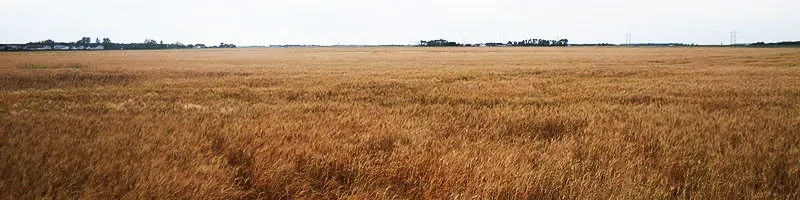
Photo: https://commons.wikimedia.org/wiki/User:KrazyTea, CC BY-SA 4.0, via Wikimedia Commons
There's a certain romance to the idea of a drink that tastes like the land it came from. Not in a poetic, marketing-brochure kind of way — but in a real, boots-in-the-dirt, hands-in-the-grain kind of way. Barley tea is exactly that kind of drink. And in Canada, its roots go deeper than most people realize.
We tend to think of barley tea as something borrowed — a Korean or Japanese import that found its way onto health food shelves sometime in the last decade. But the truth is more complicated, and honestly, more interesting. Roasted grain beverages have existed on this land for a very long time, shaped by the people who lived here, farmed here, and figured out how to turn humble ingredients into something nourishing.
Before the Settlers: Indigenous Grain and Roasting Traditions
Long before European contact, many Indigenous peoples across what is now Canada had sophisticated relationships with wild grains and seeds. While barley as we know it today — the cultivated Hordeum vulgare — arrived with European settlers, Indigenous nations across the prairies and boreal regions worked extensively with wild grasses, cattail pollen, and other starchy plants as food and drink sources.
Roasting was a central preservation and flavour technique. Seeds and grains were dry-toasted over open fires to extend shelf life, concentrate flavour, and make nutrients more bioavailable. In some traditions, these roasted grains were ground and steeped in hot water — a process remarkably similar to what we now call grain tea. The resulting liquid was warming, sustaining, and tied deeply to seasonal rhythms.
Cree, Blackfoot, Ojibwe, and many other nations each had their own plant knowledge and beverage traditions, shaped by the specific ecology of their territories. Birch bark vessels, stone-boiling techniques, and fire-roasted ingredients were all part of a broader culinary intelligence that non-Indigenous Canadians are only beginning to properly acknowledge and learn from.
It would be inaccurate to claim that these traditions are identical to modern barley tea — they're not. But they share a philosophy: that the land offers what the body needs, and that simple, minimally processed plant-based drinks have real value.
The Settler Chapter: Barley Arrives on the Prairies
When European settlers — particularly those from Britain, Ukraine, Germany, and Eastern Europe — began farming the Canadian prairies in the 18th and 19th centuries, they brought barley with them. It was a practical crop: hardy enough to handle short growing seasons, nutritious, and versatile. Saskatchewan, Alberta, and Manitoba quickly became major barley-producing regions, a legacy that continues today. Canada remains one of the world's top barley exporters.
For early homesteaders, waste wasn't an option. Barley that couldn't be sold or used for bread was roasted and brewed into grain coffee — a caffeine-free substitute that became especially common during times when imported goods were scarce or expensive. During both World Wars, when tea and coffee were rationed or prohibitively priced, roasted barley and grain brews filled the gap in Canadian kitchens from Winnipeg to Medicine Hat.
These weren't exotic wellness drinks. They were practical, everyday beverages made by people who understood that the land had already given them what they needed. Grandmothers in rural Alberta knew how to toast a pan of barley on a wood stove and steep it into something that warmed you from the inside out. That knowledge didn't disappear — it just got quieter as imported products became more accessible.
Regional Grain Producers: The Backbone of a Quiet Tradition
Today, Canada's prairie provinces produce some of the finest barley in the world. The combination of long summer days, cool nights, and rich glacially-deposited soils creates growing conditions that barley genuinely thrives in. Varieties like CDC Copeland, grown extensively in Saskatchewan, are prized internationally for their clean flavour profiles and consistent quality.
Small and mid-sized grain farms across the prairies — many of them multi-generational operations — are the unsung heroes of this story. Families who have been working the same land for four or five generations often speak about barley with a quiet reverence. It's not just a commodity to them. It's a relationship.
When you sip a cup of barley tea made from Canadian-grown grain, you're connected to that relationship. The nutty, toasty warmth in the cup has a geography — it comes from specific soil, specific weather patterns, specific hands that planted and harvested it.
From Farmhouse to Wellness Culture: The Modern Rediscovery
The current interest in barley tea among health-conscious Canadians isn't really a trend — it's more of a homecoming. As consumers grow increasingly skeptical of synthetic supplements and heavily processed beverages, naturally roasted grain drinks offer something refreshingly straightforward: one ingredient, no additives, genuinely functional.
Research into barley's health properties has grown substantially in recent years. The grain is rich in beta-glucan, a soluble fibre linked to improved cholesterol levels and blood sugar regulation. It contains antioxidants, B vitamins, and minerals like magnesium and phosphorus. When roasted and steeped, many of these compounds remain bioavailable in the resulting liquid — which is why barley tea has been a trusted digestive and wellness drink across East Asian cultures for centuries.
But here in Canada, we don't need to borrow the cultural context from elsewhere. We have our own. The roasted grain tradition was here, shaped by Indigenous knowledge and settler ingenuity, long before wellness culture gave it a new name.
Reclaiming a Canadian Drink
There's something meaningful about reaching for a drink that connects you to this country's land and history rather than importing that connection from somewhere else. That's not to diminish the rich barley tea traditions of Korea, Japan, or China — those are beautiful and deserve their own celebration. But for Canadians, there's a particular resonance in knowing that the prairies have been growing this grain for generations, that Indigenous peoples were roasting seeds long before the first barley field was ploughed, and that homesteaders were brewing grain drinks in the same spirit of resourcefulness that still defines so much of Canadian culture.
Barley tea, in that light, isn't a foreign import that's been adopted. It's a rediscovery of something that was already ours — grown in our soil, shaped by our seasons, and ready to be part of our daily lives again.
Pour yourself a cup. It tastes like home.