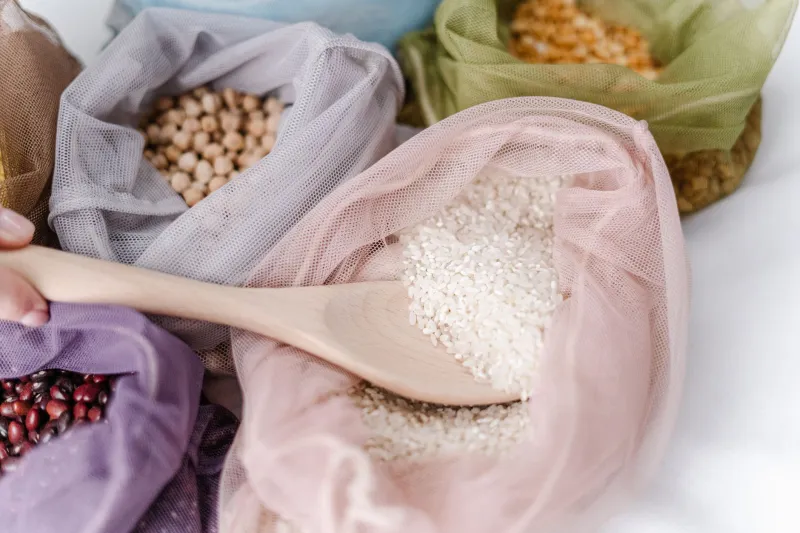
Steep, Smooth, Glow: How Canadian Artisans Are Turning Spent Barley Tea Grounds Into Skincare Gold
There's a moment after you brew a pot of barley tea when the ritual feels complete. The grain has done its job. The cup is warm. The grounds sit in the bottom of your strainer, looking like they've said everything they needed to say.
But what if they haven't?
Across Canada, a quiet movement is taking shape — one where the leftovers from your evening cup aren't destined for the compost bin but for something altogether more interesting. Artisan makers, home brewers, and small-batch cosmetic producers are discovering that spent barley tea grounds carry real skin benefits, and they're building an entire category of natural skincare around what most of us were throwing away.
Why Barley Belongs on Your Skin
Barley has been a food staple for thousands of years, but its relationship with skin health is less commonly discussed. The grain is naturally rich in beta-glucan, a soluble fibre that has attracted serious scientific attention for its ability to support the skin's moisture barrier. Beta-glucan molecules are small enough to penetrate the outer layers of skin, where they help retain hydration, soothe redness, and support the repair of compromised or irritated skin.
Barley also contains antioxidants — including phenolic acids and vitamin E — that help neutralise free radicals, those unstable molecules responsible for premature aging and dull-looking skin. When you brew barley tea, many of these compounds transfer into the liquid. But a meaningful portion remains locked in the spent grounds themselves, which is exactly what makes them worth a second look.
Beyond antioxidants, the physical texture of used barley grounds makes them a natural candidate for gentle exfoliation. Unlike harsh synthetic scrubs, spent grain is soft enough to slough away dead skin cells without micro-tearing, which is a common complaint with more abrasive commercial options.
The Makers Doing Something Different
In British Columbia and Ontario especially, small-batch skincare producers have started incorporating barley tea byproducts into their formulations. Some source spent grain directly from local tea brewers or craft producers. Others steep barley specifically to create a concentrated infusion — a kind of skincare-grade barley tea — that forms the liquid base of their toners and serums.
What's compelling about this approach is how naturally it aligns with the zero-waste values that many Canadians are already trying to live by. Rather than importing exotic botanical extracts from distant supply chains, these makers are working with something grown right here on the prairies. Canadian barley — much of it cultivated in Saskatchewan and Alberta — is already recognised globally for its quality. Redirecting a fraction of that grain into skincare feels less like a trend and more like common sense.
Some producers are pairing spent barley with other locally sourced ingredients: raw honey from Ontario beekeepers, sea buckthorn oil from prairie-grown shrubs, or cold-pressed rosehip from British Columbia. The results are products that feel genuinely rooted in Canadian land and culture, not just wellness marketing.
A DIY Routine Worth Trying
You don't need to track down a specialty brand to experience what barley grounds can do for your skin. If you're already brewing barley tea at home, you're one step away from a simple skincare ritual that costs almost nothing.
Basic Barley Exfoliating Scrub
After brewing your tea, let the spent grounds cool completely. Combine two tablespoons of grounds with one teaspoon of raw honey and a few drops of jojoba or almond oil. Apply to damp skin in gentle circular motions, leave for two to three minutes, then rinse. The honey adds antibacterial properties while the oil helps bind the mixture and leaves skin feeling soft rather than stripped.
Calming Barley Face Mask
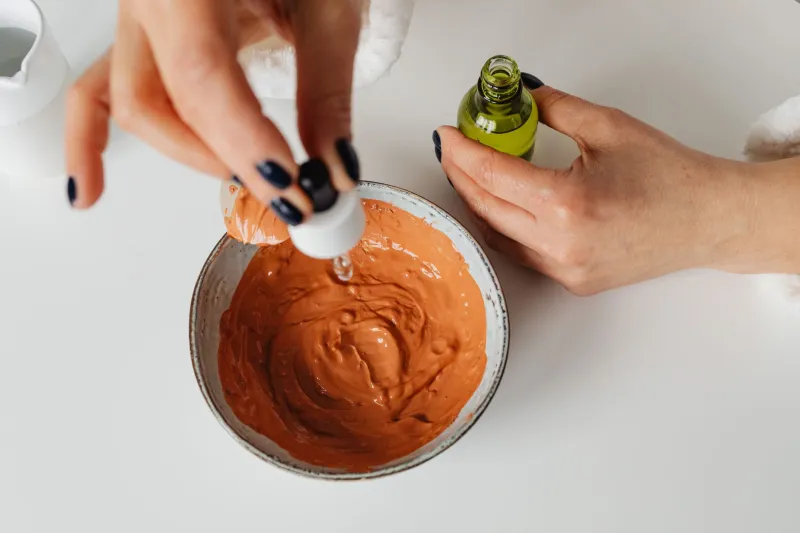
For a more intensive treatment, mix cooled spent grounds with plain Greek yogurt in equal parts. The lactic acid in the yogurt works alongside barley's beta-glucan to gently resurface and hydrate simultaneously. Apply a thin layer to clean skin, rest for ten to fifteen minutes, and rinse with lukewarm water. This works especially well for anyone dealing with post-summer sun exposure or the dryness that comes with Canadian winters.
Barley Tea Toner
Brew a stronger-than-usual pot of barley tea and allow it to cool fully before transferring to a clean glass bottle. Apply with a cotton pad after cleansing. The antioxidant-rich liquid helps balance skin tone and gives the skin a light, refreshing finish without any alcohol or synthetic fragrance. Stored in the fridge, it keeps for about a week and feels genuinely lovely on a warm summer afternoon or a dry winter morning.
The Bigger Picture
There's something worth sitting with here. The same grain that Canadian farmers have cultivated for generations — the same barley that prairie communities built their agricultural identity around — turns out to have value that extends well beyond food and drink.
As Canadians become more intentional about what goes into and onto their bodies, the appeal of single-origin, traceable ingredients is growing. Barley tea already delivers on that promise in the cup. The idea that its spent grounds can extend that story into a skincare routine feels like a natural continuation of the same values: less waste, more connection to the land, and a healthy scepticism toward products loaded with ingredients you can't pronounce.
It also raises an interesting question about how we define a wellness ritual. For many people, the act of brewing barley tea is already a moment of intentional pause in a busy day. Adding a simple skin treatment using the leftover grounds extends that pause just a little further — turning a single grain into a full sensory experience that starts in the kettle and ends with genuinely better skin.
Grain as a Full-Circle Story
Canadian barley tea has always been about more than a beverage. It's about knowing where your food comes from, supporting local producers, and choosing something simple and real over something overly processed and distant. The skincare movement emerging around spent barley grounds is just the latest chapter in that story.
So the next time you finish a pot, hold off before rinsing out the strainer. Those quiet little grains might have one more thing to offer.