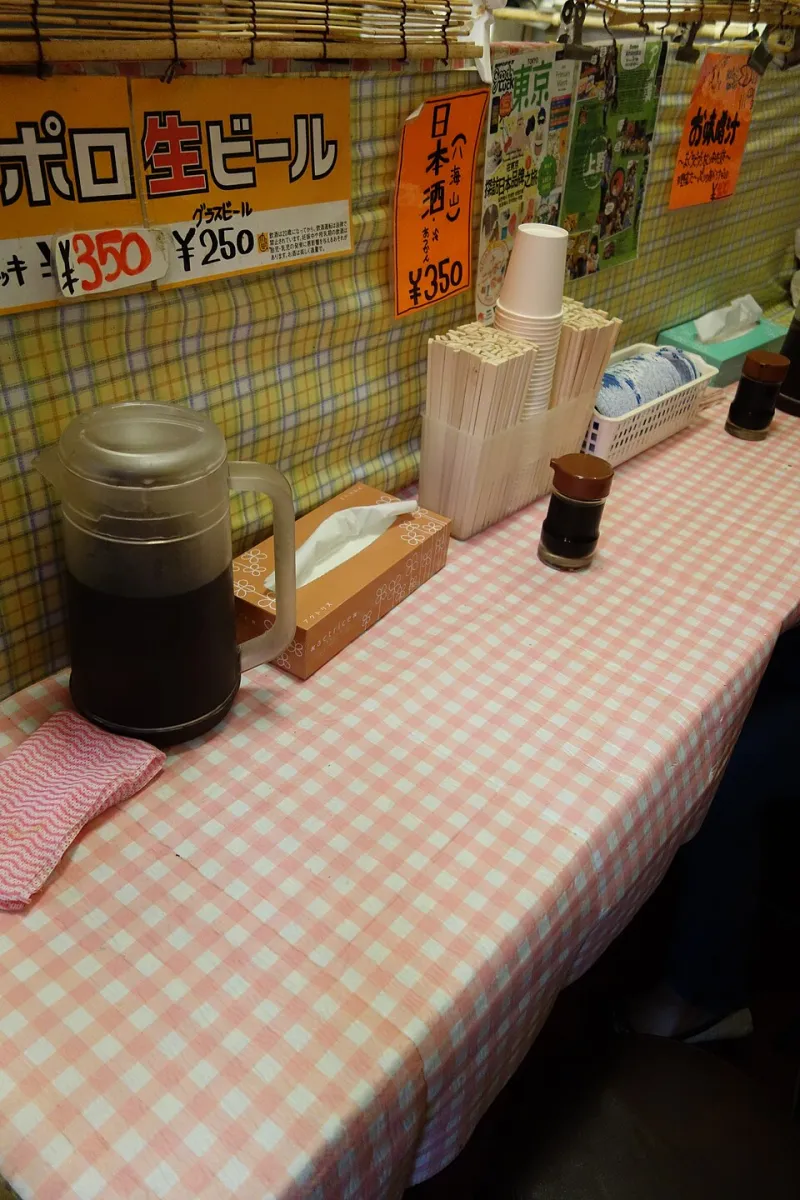
The Quiet Revolution Happening in Canadian Office Kitchens

Walk into the break room at a growing number of Canadian companies these days, and you might notice something a little different sitting next to the kettle. No, it's not a fancy espresso machine upgrade or yet another flavoured sparkling water brand. It's barley tea — roasted, golden, and quietly becoming one of the more talked-about additions to corporate wellness programs from Vancouver to Halifax.
It sounds almost too simple to be a trend. But the numbers, the conversations, and the empty tea bags piling up in office recycling bins tell a different story.
Why HR Teams Are Paying Attention
Canadian workplaces have been rethinking their approach to employee wellbeing for a while now. The pandemic reshuffled priorities, hybrid work created new rhythms, and suddenly the old model of a coffee-fuelled nine-to-five started looking a lot less appealing — especially to younger employees who are increasingly vocal about what they want from a workplace culture.
Jamie Kowalski, an HR consultant based in Calgary who works with mid-sized Canadian companies, says barley tea started coming up in wellness conversations almost organically. "Employees were already bringing it in from home," she explains. "We'd see it in people's travel mugs during video calls, and then someone on a wellness committee would mention it. It wasn't a top-down initiative — it bubbled up from the team level, which honestly makes it way more sustainable."
That grassroots quality matters. Wellness programs that employees actually use tend to be the ones they feel some ownership over, and barley tea seems to be hitting that sweet spot between accessible and intentional.
What Makes It a Good Fit for the Workday
Let's be honest: the office caffeine cycle is a bit of a trap. You're tired, you grab a coffee, you crash, you grab another coffee, and by three in the afternoon you're either wired or completely deflated. It's a pattern most Canadian workers know intimately.
Barley tea sidesteps that cycle almost entirely. It's naturally caffeine-free, which means it can be sipped throughout the day without the jittery edge or the inevitable afternoon slump. The roasted grain flavour — warm, slightly nutty, and genuinely satisfying — gives it enough substance to feel like a real beverage choice rather than just hot water with ambitions.
For employees who are trying to cut back on caffeine for sleep, anxiety, or general health reasons, having a barley tea option in the workplace kitchen removes a small but real daily friction point. And for those who just want something warm and comforting during a long afternoon of back-to-back meetings, it delivers without consequence.
Marcus Tran, a project manager at a Toronto-based tech firm that introduced barley tea into their wellness program last year, puts it plainly: "I stopped having that two o'clock slump as badly. I'm not saying it's magic, but switching from my third coffee to barley tea in the afternoons actually helped me sleep better, and that made the next day easier. It kind of compounds."
The Cultural Dimension Canadian Companies Are Embracing
There's another layer to this story that goes beyond the wellness mechanics. Barley tea has deep roots in East Asian and Korean drinking traditions — it's been a staple in Japanese, Chinese, and Korean households for centuries. In Canada, where a significant portion of the workforce comes from or is connected to these cultural backgrounds, offering barley tea in a workplace setting carries a quiet but meaningful signal.
It says: we see you, and we're making space for something familiar.
For many employees of Asian heritage, barley tea isn't a wellness trend — it's just what you grew up drinking at the kitchen table after dinner, or what your grandparents brewed in the summer. Having it available at work can feel like a small act of cultural recognition in an environment where those moments still matter.
At the same time, barley tea is genuinely approachable for anyone. It doesn't require explanation or acquired taste in the way that, say, some fermented or herbal drinks might. It's just good. That crossover quality is part of what makes it work in a diverse Canadian office setting.
What Wellness Consultants Are Actually Recommending
Corporate wellness has matured a lot over the past decade. The days of a fruit bowl and a poster about hand-washing being called a "wellness program" are largely behind us — at least at companies that take the concept seriously. Today's consultants are thinking about nervous system regulation, sustainable energy, and the kind of low-friction habits that actually stick.
Barley tea checks a lot of those boxes. It's not a supplement, it's not a protocol, and it doesn't require anyone to change their entire relationship with food. It's just a drink — one that happens to support hydration, provides a moment of pause in a busy day, and doesn't come loaded with sugar or stimulants.
Sarah Beaumont, a workplace wellness consultant based in Ottawa, has been recommending it as part of broader "afternoon reset" initiatives at several of her client companies. "We're trying to get people to build micro-breaks into their day — actual pauses, not just scrolling on their phones between tasks," she says. "Having a ritual around making and drinking barley tea gives people a legitimate reason to step away from their screens for five minutes. That's genuinely valuable."
Making It Work in a Canadian Office Context
For companies thinking about incorporating barley tea into their workplace, the practical side is pretty straightforward. Pre-packaged barley tea bags are easy to stock alongside existing tea and coffee supplies, and they require nothing more than hot water — no special equipment, no training, no barista on staff.
Some offices are taking it a step further, sourcing from Canadian barley tea producers who work with Prairie-grown grain. That local angle resonates with employees who care about where their food and drink comes from, and it ties into broader corporate sustainability conversations in a way that feels authentic rather than performative.
The cost is minimal compared to most wellness initiatives, and the uptake tends to be surprisingly quick once the option is visible and available.
A Small Thing That Signals Something Bigger
No one is suggesting barley tea is going to solve burnout or fix a toxic workplace culture. But the way a company stocks its kitchen says something about what it values — and more employees than ever are paying attention to those signals.
Choosing to offer a caffeine-free, naturally simple, culturally resonant drink alongside the usual options is a small gesture. But small gestures, done consistently, add up. And in a country as diverse and health-conscious as Canada, barley tea in the office kitchen might just be one of the more quietly meaningful additions a company can make.
The kettle's on. Might as well steep something worth drinking.