Prairie Roots in Every Sip: The Canadian Farmers Reviving Heritage Barley for Your Cup
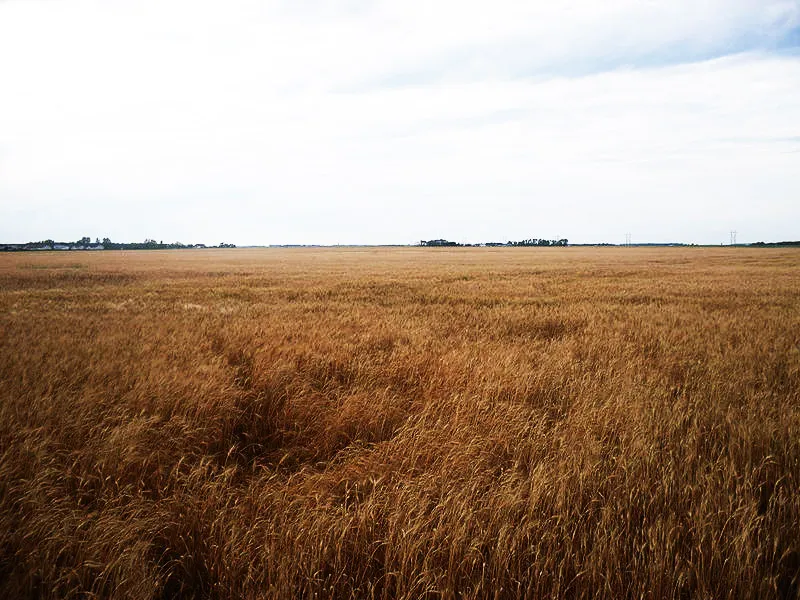
Photo: KrazyTea, CC BY-SA 3.0, via Wikimedia Commons
The Fields Behind Your Cup
There's something grounding about knowing exactly where your drink comes from. For most of us, barley tea arrives in a box or a bag, and we don't give much thought to the journey it took before reaching our kitchen. But spend an afternoon with a third-generation grain farmer in rural Saskatchewan, and that perspective shifts fast.
Canada is one of the world's top barley-producing nations — that's not a secret. What is less widely known is the growing movement among Prairie farmers to cultivate heritage barley varieties specifically suited for traditional beverages. These aren't your standard commercial malting barleys destined for breweries. These are older, hardier cultivars with distinct flavour profiles, roasted differently, brewed slowly, and connected to centuries of grain-based drinking culture from East Asia, the Middle East, and beyond.
Who's Growing It — and Why
Take Robert Hryciuk, a grain farmer outside of Rosthern, Saskatchewan, whose family has worked the same land for three generations. A few years back, Robert started experimenting with a six-row heritage barley strain after a conversation with a Korean-Canadian neighbour who lamented how different locally grown barley tasted compared to what she remembered from her childhood.
"She brought over a cup she'd made from barley she'd grown herself in her backyard," Robert recalls. "I tasted it and thought — why aren't we doing more of this? We're sitting on some of the best grain-growing soil in the world."
That conversation sparked a side project that's quietly grown into a meaningful part of his operation. Robert now dedicates a portion of his acreage to heritage varieties, harvesting them separately and partnering with small-batch roasters to process the grain into tea-ready form.
Further west, in the Peace River region of Alberta, farmer Darlene Morin has taken a slightly different approach. She focuses on two-row barley varieties known for their lower protein content and naturally sweeter, nuttier roast profile — qualities that make for a particularly smooth, mellow brew. Darlene is also certified organic, and she's passionate about the connection between soil health and flavour.
"People talk about terroir in wine all the time," she says. "Barley is the same. The mineral content of our soil, the cold nights, the short growing season — all of it ends up in the cup."
What Prairie Terroir Actually Does to the Flavour
That word — terroir — comes up more than once in conversations with Canadian barley growers, and it's worth unpacking. Prairie soil tends to be rich in specific minerals, including magnesium and potassium, and the dramatic temperature swings between day and night during the growing season stress the grain in ways that actually concentrate its flavour compounds.
Barley grown in these conditions tends to develop a more robust, earthy character compared to imported varieties, which are often sourced from warmer, more consistent climates. When roasted, Canadian prairie barley produces a deeper, slightly smoky note alongside the familiar toasty warmth that barley tea drinkers love. It's a flavour that feels, frankly, Canadian — a little rugged, honest, and unpretentious.
Nutrition-wise, the story is similarly compelling. Heritage varieties tend to retain higher levels of beta-glucan, the soluble fibre that gives barley its well-documented digestive and cholesterol-supporting benefits. Commercial barley bred for maximum yield doesn't always prioritise these compounds, but older cultivars — grown with patience on well-managed land — often deliver more nutritional depth.
Sustainable Practices on the Ground
What strikes you when you visit these farms is how thoughtfully sustainability is woven into daily practice. Robert uses a crop rotation system that alternates barley with legumes, naturally replenishing soil nitrogen without heavy fertiliser inputs. Darlene has installed windbreaks and cover crops to prevent the topsoil erosion that has long threatened Prairie agriculture.
Both farmers talk about the long game. Heritage barley farming isn't the most profitable path in the short term — yields are often lower than modern commercial varieties, and the market for traditional beverage barley is still developing in Canada. But they're betting on a future where consumers care more about provenance, sustainability, and quality than they do about price alone.
"The people who seek out this kind of barley tea aren't buying it just for a drink," Darlene says. "They want to know the story. They want to feel connected to where their food comes from."
Local vs. Imported: Does It Actually Matter?
It's a fair question. Barley tea has been consumed across Japan, Korea, China, and parts of the Middle East for thousands of years, and imported products from those regions carry their own rich heritage. So why does it matter whether the barley was grown in Saskatchewan or South Korea?
For some people, it's about food sovereignty — supporting Canadian agriculture and reducing the carbon footprint associated with importing shelf-stable grain products from the other side of the world. For others, it's about flavour and freshness. Barley that was harvested, roasted, and packaged closer to home simply hasn't spent months in shipping containers crossing oceans.
And then there's the cultural dimension. Canada is an extraordinarily diverse country, and the tradition of barley-based beverages belongs to many communities within it. Having Canadian farmers grow that barley — in some cases working directly with cultural communities to understand what those traditions require — feels like a meaningful form of respect and integration.
A Growing Community
Robert and Darlene aren't alone. Across the Prairies, a loose network of farmers, small-batch processors, and heritage seed preservers is quietly building something that could reshape how Canadians think about their daily cup. Seed libraries in Manitoba are preserving barley cultivars that nearly disappeared from commercial agriculture decades ago. University extension programs in Alberta are studying the flavour and nutritional profiles of heritage varieties with fresh interest.
It's slow work. It doesn't make headlines the way a new coffee chain opening in downtown Toronto does. But it's real, and it's rooted — quite literally — in Canadian soil.
Next time you brew a cup of barley tea, take a moment to think about that field somewhere in the Prairies. About the farmer who chose to grow something a little different, for reasons that go beyond the bottom line. That story is in your cup, too.