Between Shifts and Sips: Why Canadian Healthcare Workers Are Reaching for Barley Tea

There's a particular kind of tired that healthcare workers know better than most. It's not just the physical exhaustion of being on your feet for twelve hours straight — it's the mental weight of making high-stakes decisions, managing difficult moments with patients and families, and somehow finding the bandwidth to stay present when your body is already running on empty. Coffee has long been the unofficial fuel of hospital culture, but a growing number of Canadian nurses, paramedics, and physicians are quietly swapping out their third cup of the day for something a little gentler: barley tea.
It might sound like a small shift, but for the people making it, the difference is anything but minor.
The Problem with the Coffee-Only Approach
Anyone who has spent time around a hospital break room knows the rhythm. Arrive for a shift, grab a coffee. Hit the midpoint slump, grab another. Manage the post-rush crash with a third. It's a cycle that works — until it doesn't. Jitteriness, disrupted sleep between rotating shifts, and the kind of hollow energy that evaporates the moment you sit down are familiar complaints among healthcare workers who rely too heavily on caffeine to get through their days.
A registered nurse working in a busy Vancouver emergency department described it plainly: "I was drinking coffee constantly just to feel functional, and then I couldn't wind down when I got home. My sleep was wrecked, which meant I needed more coffee the next shift. It just kept going."
She started drinking barley tea about a year ago after a colleague brought in a thermos of it during a particularly gruelling overnight rotation. "I didn't expect much. But I noticed I felt calmer, not sluggish — just steadier. I actually slept when I got home that morning."
What the Research Suggests
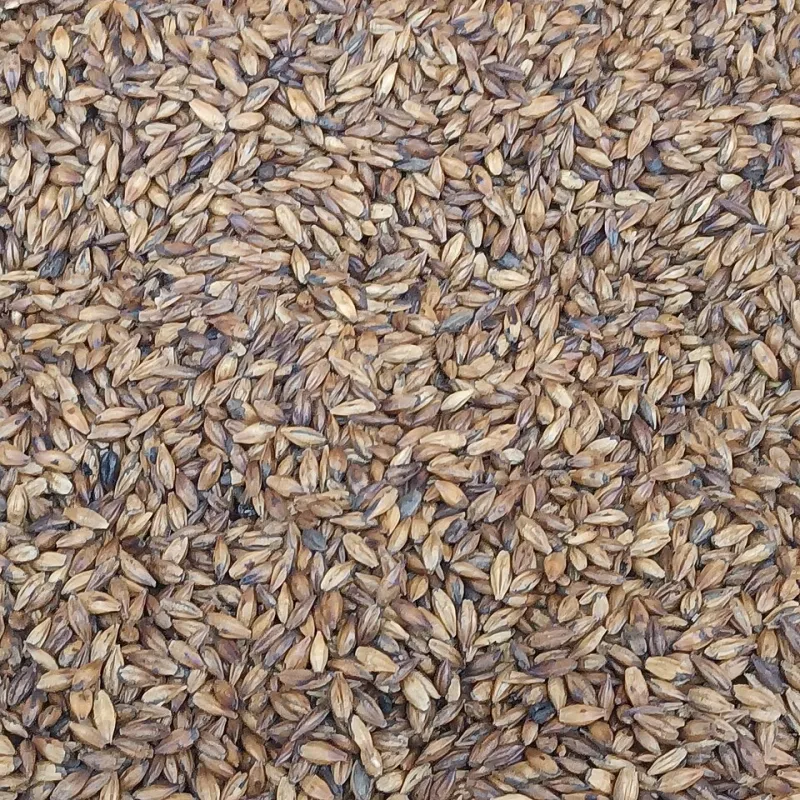
Barley tea — made from roasted barley grains steeped in hot water — is naturally caffeine-free, which makes it a practical option for workers whose schedules don't follow a standard nine-to-five. But beyond the obvious absence of caffeine, researchers have been paying closer attention to what barley actually contains.
Barley is a source of beta-glucan, a soluble fibre associated with stable blood sugar levels — something that matters enormously when you're working a long shift and eating irregularly. It also contains antioxidants, including compounds produced during the roasting process, and has been studied in the context of digestive support and inflammation. While no single food is a cure-all, the overall nutritional profile of barley tea makes it a more substantive choice than plain hot water, and a far gentler one than another espresso.
Some Canadian researchers studying occupational stress and dietary patterns have noted increased interest in functional beverages among shift workers — people whose irregular hours put particular pressure on the body's natural rhythms. Drinks that support rather than further disrupt those rhythms are increasingly appealing in that context.
A Grounding Ritual in a High-Pressure Environment
For many healthcare workers, though, the appeal of barley tea isn't purely nutritional. It's about the act of pausing.
A paramedic based in Calgary put it this way: "When you're on shift, there's almost no moment where you're not either responding to something or preparing for the next thing. The few minutes I take to make a cup of barley tea — even just pouring from a thermos I prepped at home — it's like a signal to my nervous system that I get to breathe for a second."
This idea of a deliberate pause resonates with a lot of what wellness practitioners talk about when they discuss stress management for high-demand professions. The ritual itself — the warmth, the familiar smell of roasted grain, the simple act of holding a cup — can function as a kind of reset. It doesn't solve the structural pressures of healthcare work, but it carves out a small, reliable moment of calm within them.
A family physician in Winnipeg who started drinking barley tea during the pandemic described it as "the one thing in my day that felt uncomplicated." She keeps a jar of roasted barley at her clinic now and steeps a cup between patient appointments. "It doesn't make everything easier, but it makes me feel more like myself."
The Cultural Thread Running Through It
It's worth noting that barley tea isn't new to many of the people discovering it in Canadian healthcare settings. For workers with Korean, Japanese, or Chinese backgrounds, mugicha or daechu-cha are familiar tastes from childhood — drinks associated with home, family, and comfort. Rediscovering those flavours in a demanding work environment carries a particular kind of meaning.
One ICU nurse in Toronto, originally from South Korea, laughed when asked about her barley tea habit. "My grandmother would be very pleased. She always said it was good for you. I thought she was just being traditional. Turns out she was right."
For workers without that cultural background, barley tea often arrives through a colleague's recommendation or a moment of curiosity. But once it becomes part of the routine, many describe a similar feeling — something that feels rooted and real, not like another wellness product designed to be sold.
How Canadian Barley Makes a Difference
At Canadian Barley Tea, we've always believed that where your grain comes from matters. Prairie-grown barley benefits from long growing seasons, rich soil, and the kind of agricultural care that produces grain with genuine depth of flavour. When that barley is roasted well, the result is a tea with a warmth and complexity that you can actually taste — not a flat, generic brew, but something with character.
For healthcare workers who are already paying close attention to what goes into their bodies, knowing that their barley tea is Canadian-grown and minimally processed is part of the appeal. There's something fitting about reaching for a drink rooted in Canadian land and craft during some of the most demanding moments of a Canadian workday.
Small Sips, Real Impact
No one is suggesting that barley tea is a solution to the systemic challenges facing Canada's healthcare workforce. Staffing pressures, long hours, and the emotional toll of frontline work are serious issues that demand serious policy responses. But within those realities, the choices people make about how they nourish and sustain themselves still matter.
For a growing number of nurses, doctors, and paramedics across the country, barley tea has become part of the answer to a very practical question: what can I actually do, right now, to take care of myself? The answer, it turns out, might be as simple as a thermos of roasted grain and a few quiet minutes between the next thing and the one after that.
That's not a small thing. In a profession where self-care often gets squeezed out entirely, finding something that works — something gentle, grounding, and genuinely good for you — is worth paying attention to.