Last Call for Waste: How Canadian Craft Breweries Are Turning Spent Grain Into Your Next Favourite Tea
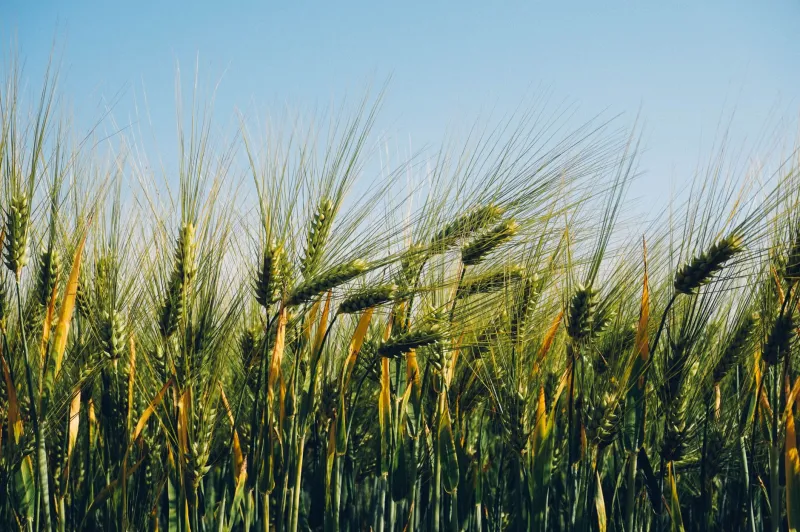
Walk into almost any craft brewery in Canada on a production day and you'll notice something piled near the back — heaping mounds of wet, fragrant spent grain, leftover from the mashing process. For decades, most of that material ended up as livestock feed or, in less fortunate cases, in the bin. But a new wave of partnerships between Canadian craft breweries and barley tea producers is flipping that script entirely, and the results are worth paying attention to.
This isn't just a sustainability story, though it's certainly that too. It's a story about two industries discovering they've been working with the same ingredient all along, just at different points in its journey.
The Grain That Keeps Giving
Barley's relationship with Canadian culture runs deep. Prairie provinces have grown it for generations — as a crop, as a commodity, and increasingly, as the backbone of a wellness movement that's found its footing from Victoria to Halifax. Craft brewers have always known the grain's potential. So have barley tea makers. What's new is the conversation happening between them.
Spent grain — the husks and residual starch left after hot water extracts fermentable sugars for brewing — still holds a surprising amount of character. Roasted malts carry smoky, nutty depth. Lightly kilned grains retain a subtle sweetness. For breweries producing dozens of batches a week, that spent material represents both a logistical headache and, it turns out, an untapped resource.
Barley tea producers, who depend on carefully roasted grain to build their flavour profiles, have started to take notice. The question wasn't whether spent grain had potential — it was whether it could be processed, dried, and roasted in a way that translated meaningfully into the cup.
Who's Actually Doing This
The collaboration model looks different depending on where you are in the country. In British Columbia, a handful of small-batch tea producers have begun working directly with Vancouver Island breweries to source specific malt varieties before the brewing process, ensuring the grain is processed for tea use rather than left as a byproduct. In Ontario's Niagara region, at least two craft operations have formalized agreements where the brewery provides weekly spent grain pickups to a local tea blender who dries and re-roasts the material in-house.
What's driving this? Partly economics. Disposing of spent grain costs breweries time and sometimes money. A reliable pickup partner who transforms that material into something sellable creates mutual value. But the people involved in these partnerships tend to be quick to mention something beyond the balance sheet: a shared philosophy about where food and drink come from.
"We were already talking about traceability with our hop suppliers and our water source," said one Ontario brewer who asked not to be named ahead of a formal product announcement. "When the tea conversation started, it felt like a natural extension of that. We know this grain. We know where it was grown. Handing it off to someone who treats it with the same respect made sense."
What the Tea Actually Tastes Like
This is where things get genuinely interesting for anyone who drinks barley tea regularly. Spent grain from a dark roast stout produces a tea with considerably more depth than a standard pale barley blend — think toasted walnut and a faint cocoa edge. Grain from a wheat-heavy wit-style beer brings a lighter, almost biscuity character. The regional variation is real, and it's becoming a selling point.
Some producers are leaning into this deliberately, creating limited seasonal blends tied to specific brewery batches. Think of it like a single-origin coffee release, but for tea, and with a distinctly Canadian twist. A spring release might use grain from a session ale brewed with local honey. A winter blend might pull from a smoked porter. The storytelling potential is considerable.
For barley tea enthusiasts, this represents a meaningful expansion of what the category can offer. The core appeal of barley tea — its roasted warmth, its lack of caffeine, its digestive-friendly profile — remains intact. What changes is the texture of the story behind each cup.
The Sustainability Case
Canada produces millions of tonnes of barley annually, and the craft brewing sector alone generates substantial spent grain volumes each year. Nationally, estimates suggest Canadian craft breweries collectively produce tens of thousands of tonnes of spent grain per year. Even if a fraction of that found its way into tea production, the environmental arithmetic starts to look compelling.
Diverting material from waste streams, reducing the need to grow and transport additional raw grain for tea production, and shortening supply chains by keeping everything within regional economies — these aren't abstract sustainability talking points. They're the practical outcomes of what happens when two producers in the same province decide to work together instead of in parallel.
The circular economy framing matters here too. Barley enters the system as a crop. It moves through malting and brewing. What remains still carries value, and now it's moving into a third act as a wellness beverage. That's a fuller use of a resource that Canadian farmers put significant effort into growing.
Challenges Worth Acknowledging
None of this is without friction. Spent grain is wet, heavy, and degrades quickly — logistics are genuinely complicated. Not every brewery has the capacity or interest to manage a secondary pickup process, and not every tea producer has the drying and re-roasting infrastructure needed to work with raw spent material safely and consistently.
Food safety regulations also require careful navigation. Spent grain used for human consumption has different handling requirements than grain destined for animal feed, and producers entering this space have had to work closely with provincial food safety bodies to ensure their processes meet the standard.
There's also a flavour consistency challenge. Brewing is not a perfectly uniform process, and the grain from one batch to the next can vary in moisture content, roast level, and residual flavour. For tea producers accustomed to sourcing consistent raw material, learning to work with that variability — and in some cases, celebrating it as part of the product's identity — requires a shift in approach.
A New Chapter for Canadian Grain
What's emerging from these collaborations isn't just a clever sustainability initiative. It's a new way of thinking about what Canadian barley can be. The grain that built the brewing industry in this country is now finding a second life in the cup, carrying with it the flavour of the region, the character of the brew it came from, and the intentions of the people who handled it along the way.
For anyone who's ever sipped a mug of barley tea and felt something grounded and honest in it — something that tastes like it came from somewhere real — this development feels like a natural extension of that experience. The grain hasn't changed. The story around it just got a little richer.