Why Canadian Soil Makes All the Difference in Your Barley Tea Cup

Pour yourself a cup of barley tea made from Canadian prairie grain and take a slow sip. There's a nuttiness there — warm, slightly smoky, with a clean finish that doesn't linger too long. Now compare that to a cup brewed from imported barley, and something feels a little off. Flatter, maybe. Less complex. You're not imagining it.
The difference has a name: terroir. It's a concept borrowed from the wine world, but it applies just as well to grain. And when it comes to barley tea, Canadian soil is telling a story that's worth paying attention to.
What Terroir Actually Means for Barley
Terroir — from the French word for land — refers to the full set of environmental conditions that shape a crop: soil mineral content, rainfall patterns, temperature swings, elevation, even the microorganisms living in the earth beneath the roots. In wine, these factors explain why a Bordeaux tastes nothing like a Niagara Peninsula red, even when the same grape variety is used.
For barley, the same logic applies. The grain doesn't just absorb water and sunlight — it responds to its environment at a chemical level. Stress conditions like cold snaps, dry spells, and short growing seasons trigger the plant to produce specific compounds that directly influence how the finished tea tastes and what nutrients it carries.
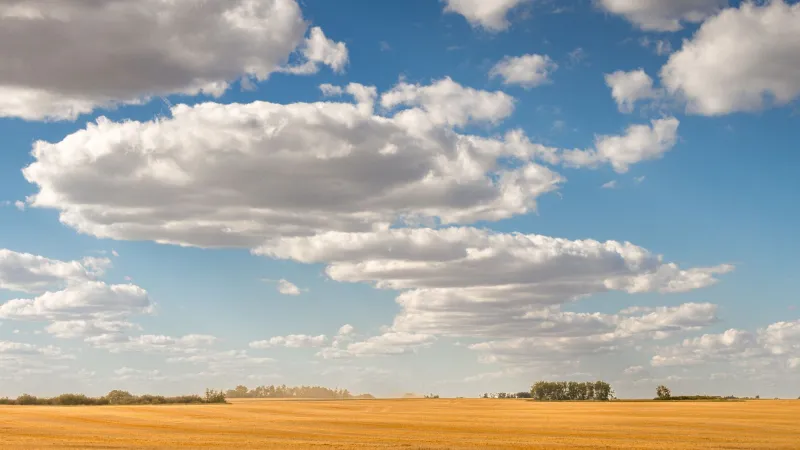
Canada's prairies — stretching across Alberta, Saskatchewan, and Manitoba — are arguably one of the most distinctive barley-growing environments on earth. The combination of glacially deposited soils, dramatic temperature variation between day and night, and a compressed but intense growing season creates conditions that push barley to develop in ways that warmer, more stable climates simply don't replicate.
The Chemistry of a Canadian Cup
So what's actually happening inside the grain?
Barley tea gets most of its flavour from roasting, but the raw grain's composition determines what roasting has to work with. Two key groups of compounds shape the final taste: Maillard reaction precursors (the amino acids and sugars that brown and caramelise under heat) and polyphenols (the antioxidant-rich molecules that give barley tea its slightly bitter, earthy edge).
Barley grown in cooler climates tends to accumulate more of these polyphenols as a stress response. When temperatures drop overnight on the Canadian prairies — sometimes by 15 to 20 degrees Celsius in a single evening during the growing season — the plant produces higher concentrations of protective compounds. Those same compounds end up in your cup.
The protein content of Canadian barley also tends to run slightly higher than barley grown in consistently warm climates. More protein means more amino acids available for the Maillard reaction during roasting, which translates to a deeper, more layered flavour. That toasty, almost bread-like quality that Canadian barley tea drinkers often describe? That's chemistry doing its job.
Soil Mineral Content: The Quiet Contributor
Beyond climate, the soil itself plays a significant role. Prairie soils in western Canada are rich in minerals deposited by glaciers thousands of years ago — calcium, magnesium, potassium, and trace elements that barley roots pull up throughout the growing season.
These minerals don't just feed the plant; they influence the grain's enzymatic activity and the way starches break down. When barley is roasted, those starches contribute to the body and mouthfeel of the brewed tea. Canadian barley's mineral-rich background gives the resulting tea a slightly fuller texture compared to grain grown in sandy or mineral-depleted soils.
It's subtle, but it's real. And for people who drink barley tea regularly, that textural quality is part of what makes it satisfying rather than thin.
What Canadian Barley Tea Makers Are Noticing
Artisan producers who source directly from prairie farms have been talking about these differences for years. Many describe the experience of switching from imported grain to local Canadian barley as a turning point — not just from a sourcing perspective, but from a flavour one.
The feedback from their customers tends to confirm what the chemistry suggests: Canadian-grown barley produces a cup that feels more rounded, more complex, and more consistent from batch to batch. Part of that consistency comes from the reliability of Canadian grain grading standards, but part of it comes from the grain itself carrying a more developed flavour foundation before it ever reaches a roaster.
For craft producers, that foundation matters enormously. A roaster working with expressive grain has more to work with — they can dial in light roasts that highlight the grain's natural sweetness, or push toward darker profiles that bring out chocolate and smoke notes, all without losing the clean finish that makes barley tea so drinkable.
The Nutritional Angle
Flavour is one thing, but the health-conscious crowd drinking barley tea is also paying attention to what's in the cup beyond taste.
Barley is naturally rich in beta-glucan, a soluble fibre that's been associated with heart health, blood sugar regulation, and digestive support. The concentration of beta-glucan in barley grain varies by variety and growing condition — and Canadian barley varieties, many of which were developed specifically for northern growing conditions, tend to perform well on this measure.
The polyphenol content that contributes to flavour also carries antioxidant activity. So the same cold-stress compounds that make Canadian barley taste more complex are also doing something useful on the wellness side of things. It's a case where flavour and function happen to point in the same direction.
Drinking with a Sense of Place
There's something genuinely satisfying about understanding what's in your cup and why. Barley tea has always been a drink rooted in simplicity — just grain and water — but that simplicity is deceptive. A lot of geography, chemistry, and agricultural history goes into every steep.
When Canadian barley tea makers talk about sourcing local grain, they're not just making a supply chain argument. They're making a flavour argument, a nutritional argument, and honestly, a cultural one. The prairies have been growing world-class barley for well over a century. The idea that the same grain might also make an exceptional cup of tea isn't a stretch — it's a natural extension of what Canadian agriculture has always done well.
So the next time someone asks why you bother seeking out Canadian-grown barley tea when imported options are cheaper and easier to find, you've got an answer. The soil remembers where it's been. And your taste buds can tell the difference.