Seed to Steep: How Prairie Farmers and Barley Tea Makers Are Rewriting the Rules of Traceability
There's a quiet revolution happening somewhere between a Saskatchewan field and your kitchen counter. It doesn't involve a celebrity endorsement or a flashy rebrand. It's something a lot more grounded — literally. A growing number of Canadian barley tea producers are building supply chains so transparent you could practically watch your tea grow in real time.
This is the farm-to-kettle movement, and it's changing what it means to actually know what's in your cup.
What "Farm-to-Kettle" Actually Means
The phrase gets tossed around a lot in food culture, but in the context of Canadian barley tea, it carries some real weight. Farm-to-kettle isn't just a marketing slogan slapped on a paper bag. For the producers leading this charge, it means being able to trace every batch of roasted barley back to a specific plot of land, a specific growing season, and in some cases, a specific farmer's name.
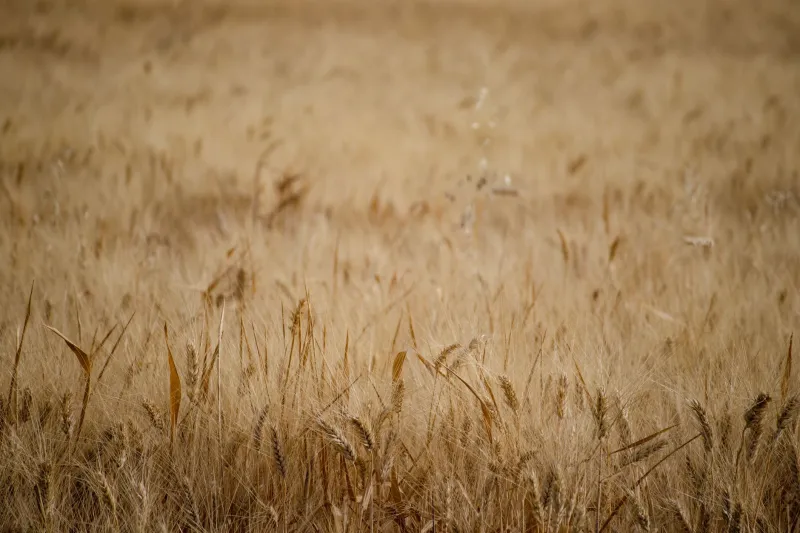
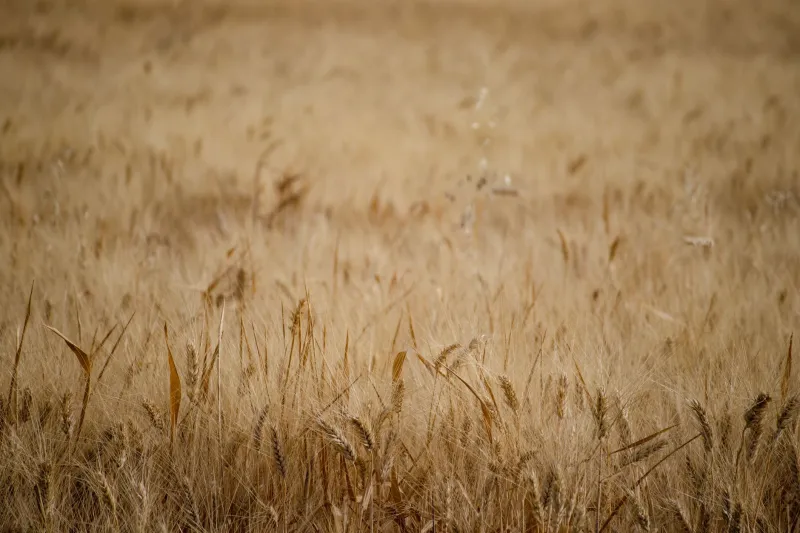
Think of it like the wine world's terroir concept — except instead of talking about a Niagara Peninsula Riesling, you're talking about a two-row hull-less barley grown on a family operation outside of Moose Jaw. The soil composition, the rainfall patterns, the frost dates — all of it shapes the final flavour in your mug. Producers who understand this aren't just sourcing grain. They're sourcing a story.
The Prairie Farms at the Heart of It
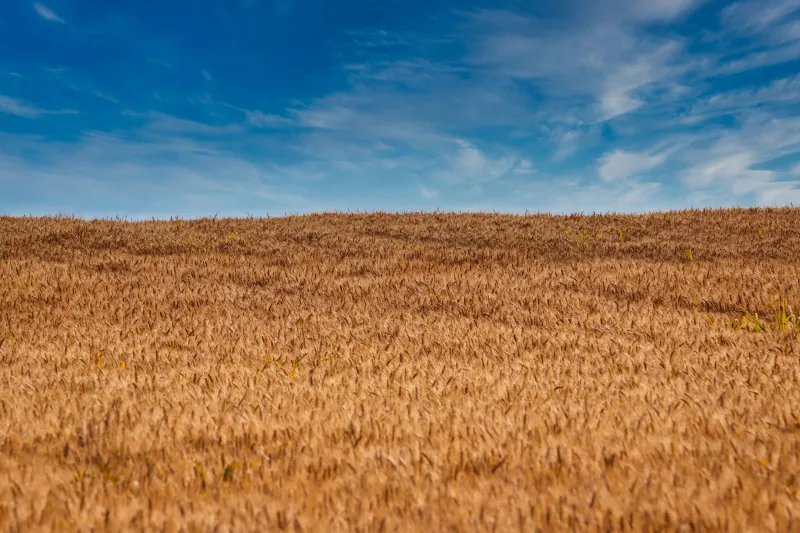
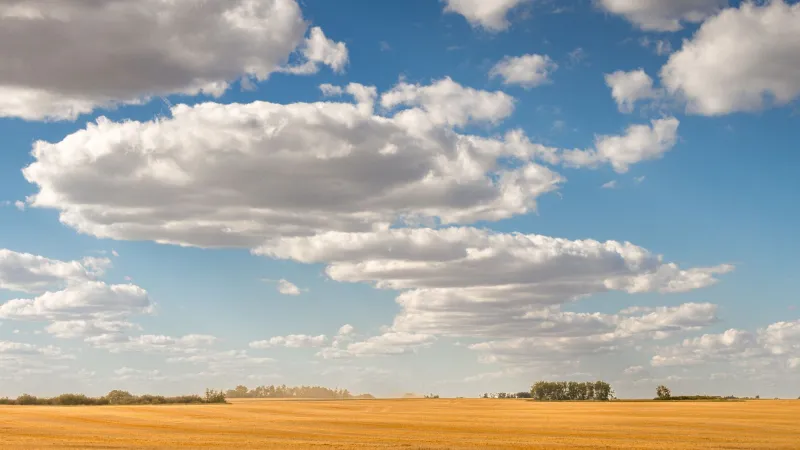
Alberta, Saskatchewan, and Manitoba collectively make Canada one of the world's top barley-producing regions. That's not a fun fact to breeze past — it's the entire foundation of why a Canadian farm-to-kettle supply chain is even possible at a meaningful scale.
Some of the most interesting producer relationships happening right now involve multi-year contracts between tea makers and individual farm families. Instead of buying grain through a commodity broker, these companies are locking in directly with growers who agree to specific cultivation practices: lower pesticide use, heritage or heritage-adjacent varieties, and detailed harvest documentation.
One approach that's gaining traction is the seasonal harvest journal — a record kept at the farm level that logs planting dates, weather events, soil amendments, and yield data. When that grain eventually gets roasted and packaged, the journal travels with it, either as a printed insert or a digital file accessible through a QR code on the bag. Customers in Vancouver or Halifax can pull up the same notes a farmer in Lethbridge wrote down during last August's harvest. That's a pretty remarkable thing.
Blockchain Enters the Grain Bin
If harvest journals are the analogue version of this transparency push, blockchain is the digital one — and a handful of Canadian agri-food startups are helping barley tea producers explore what that looks like in practice.
Blockchain traceability in food isn't new globally, but its application to specialty beverages in Canada is still pretty early-stage. The basic idea is straightforward: every step in the supply chain — seeding, harvesting, transport, roasting, packaging — gets logged as a tamper-proof entry on a shared digital ledger. Nobody can quietly swap out a lower-quality batch and pretend it's the premium stuff. The record is permanent and verifiable.
For health-conscious Canadian consumers who've grown increasingly sceptical of vague "natural" claims on product labels, this kind of verification matters. It's one thing to say your barley tea is sourced from Canadian farms. It's another to show exactly which farm, which field, and which week of harvest produced what's sitting in your pantry right now.
The Roasting Step: Where Science Meets Craft
Once the barley leaves the farm, it heads to a roaster — and this is where the supply chain story gets a little more sensory. Roasting is the step that transforms raw, starchy grain into the toasty, nutty, amber-coloured brew that barley tea drinkers know and love. Get it wrong, and you end up with something either flat and bland or aggressively bitter.
Canadian producers who've invested in farm-level traceability tend to apply that same careful attention to their roasting process. Roast profiles — temperature curves, drum speed, time — are documented for each batch, often tied back to the specific grain lot they received. Why does that matter? Because barley from different farms, different soil types, and different growing seasons can behave differently under heat. A roaster who knows exactly what they're working with can adjust accordingly, rather than applying a one-size-fits-all approach to every bag.
Some smaller operations are even experimenting with single-origin barley teas, where one batch of grain from one farm gets roasted and packaged separately, with tasting notes that reflect that specific lot's character. It's the kind of thing you'd expect from a specialty coffee roaster — and it's slowly becoming part of the conversation in Canadian barley tea circles too.
Why Canadian Consumers Are Starting to Care
A few years ago, asking where your barley tea came from might have seemed like an oddly niche question. Today, it fits right into how a lot of Canadians are approaching food and drink more broadly. People want to understand what they're consuming, where it originated, and whether the people who grew it were treated fairly.
There's also a local pride dimension that's hard to ignore. Canada grows exceptional barley — barley that competes with anything being produced in Japan or Korea, the traditional homes of mugicha and boricha. When Canadian producers can demonstrate a direct, documented connection between that Prairie grain and the finished product in your cup, it reinforces something worth feeling good about: this drink is ours, and we made it well.
For health-conscious buyers especially, the traceability angle addresses a real concern. The wellness beverage market is crowded with products making claims that are difficult to verify. A barley tea producer who can show you the field, the farmer, the harvest date, and the roast profile isn't just selling tea — they're selling accountability. That's a different kind of value proposition entirely.
What Comes Next
The farm-to-kettle model is still finding its footing in Canada. Building direct farm partnerships takes time. Implementing blockchain tracking systems requires investment. Keeping detailed harvest documentation adds labour at the farm level. None of it is free or effortless.
But the producers who are doing it — even imperfectly, even incrementally — are building something that commodity-sourced competitors can't easily replicate: genuine trust. And in a market where consumers are getting sharper at spotting the difference between a real story and a polished one, that trust is worth more than any logo or label claim.
The next time you steep a bag of Canadian barley tea, it's worth wondering: do you know where those grains spent last summer? Increasingly, the answer could be just a QR code away.