When the Light Goes: How a Warm Cup of Barley Tea Might Be Canada's Most Underrated Winter Ally

By November, a lot of Canadians know the feeling. The sky goes grey before 4 p.m., the commute home is already dark, and there's this low, persistent heaviness that settles in somewhere around the chest. For roughly 2 to 3 percent of Canadians, that heaviness has a clinical name — Seasonal Affective Disorder, or SAD. For millions more, it's something just short of that: the winter blues, the fog, the months-long drag that doesn't quite qualify as depression but doesn't feel great either.
Prescription interventions exist. Light therapy boxes exist. And yes, there's always the advice to exercise more, go outside, eat well. But somewhere in between the clinical and the aspirational, a quieter conversation is happening — one that involves a kettle, some roasted grain, and a drink that's been around for thousands of years.
What Seasonal Affective Disorder Actually Does to You
SAD isn't just feeling a bit down about the cold. It's a recognized subtype of major depressive disorder with a seasonal pattern, and it hits differently in Canada than it does in, say, southern California. We're talking about places like Winnipeg, Edmonton, and Thunder Bay — cities where the sun might set before most people leave work for months at a stretch.
The core driver is light deprivation. Less sunlight disrupts circadian rhythms, suppresses serotonin production, and throws melatonin regulation out of balance. The result? Fatigue, low mood, difficulty concentrating, increased appetite (especially for carbohydrates), and social withdrawal. It's a cluster of symptoms that makes even the most resilient Canadians feel like they're wading through something thick.
Dr. Anita Chandra, a naturopathic doctor based in Ottawa who works with patients managing mood and seasonal health, puts it plainly: "The body is genuinely responding to environmental signals. When light decreases, our whole system slows down. What we're looking for in that context are tools that support the nervous system gently — things that work with the body rather than forcing it into a different state."
Barley tea, she says, keeps coming up in those conversations.
The Ritual Might Matter as Much as the Ingredients
Before we get into the compounds, it's worth talking about something that often gets overlooked in wellness conversations: the act of making and drinking a warm beverage is itself a form of nervous system regulation.
"There's real therapeutic value in ritual," says Dr. Marcus Bellamy, a Toronto-based psychotherapist who specializes in mood disorders. "When someone takes five minutes to boil water, steep something, hold a warm cup, and sit quietly — that's a mindfulness practice. It's grounding. It activates the parasympathetic nervous system, which is exactly what people with anxiety and depression often need."
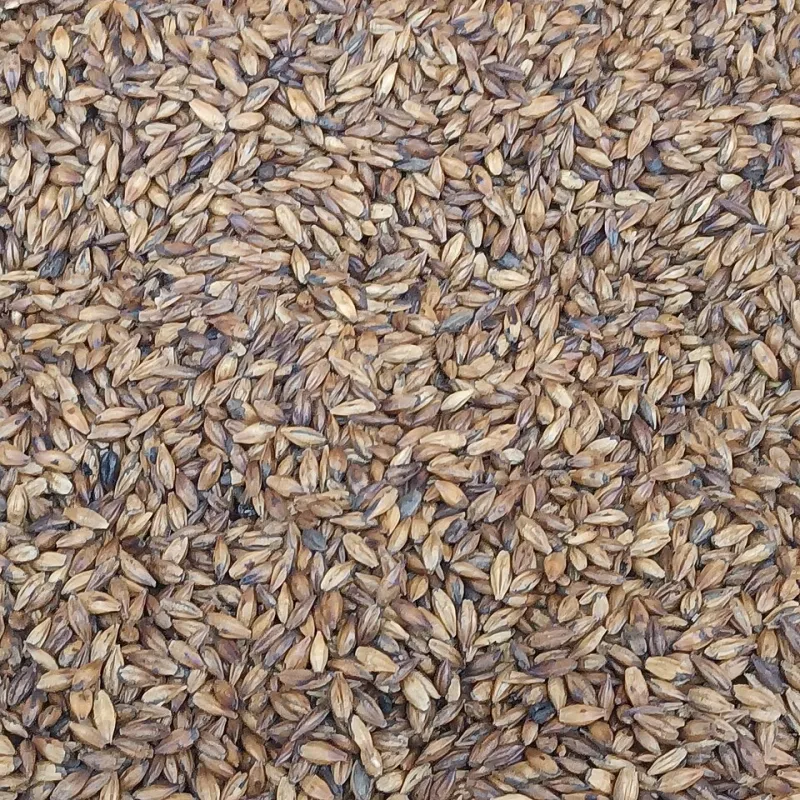
Barley tea, which is made by steeping roasted barley grains in hot water, is particularly well-suited to this kind of slow, deliberate ritual. It's not a quick espresso shot. It's something you make intentionally. The smell of roasted grain alone — warm, earthy, slightly nutty — is sensory in a way that coffee and herbal teas often aren't. There's something about it that feels grounding in a very physical sense.
For Canadians already drawn to mindful living and natural wellness, that tactile quality matters. It's the difference between consuming something and actually pausing.
What's in the Grain That Might Help
Beyond ritual, barley itself brings some interesting compounds to the table.
Barley is one of the richest dietary sources of beta-glucan, a soluble fibre that has been studied for its effects on blood sugar regulation. This matters more than it might seem in the context of SAD. Carbohydrate cravings are a hallmark symptom of seasonal depression — the body is essentially reaching for quick energy and serotonin precursors. The problem is that refined carbs spike blood sugar and then crash it, which often worsens mood and fatigue. Beta-glucan helps slow glucose absorption, which means more stable energy and fewer of those late-afternoon crashes that make a dark winter day feel even harder.
Barley also contains tryptophan, an amino acid that serves as a precursor to serotonin — the neurotransmitter most associated with mood regulation. While the tryptophan content in barley tea isn't a clinical dose by any measure, Dr. Chandra notes that "every bit of dietary support for serotonin synthesis matters during winter months, especially when you're stacking it with other supportive habits."
Then there's the magnesium. Barley is a decent source, and magnesium deficiency has been linked to increased anxiety and disrupted sleep — two things that compound the misery of SAD significantly. Again, we're not talking about replacement therapy here. But as part of a broader approach to winter wellness, it's not nothing.
Finally, barley tea is naturally caffeine-free. This is a bigger deal than it sounds. Many Canadians who struggle with winter fatigue reach for more coffee, which can disrupt sleep quality and increase cortisol — both of which worsen mood over time. A warm, comforting, caffeine-free drink that satisfies the same craving without the drawbacks is genuinely useful.
How Canadians Are Actually Using It
Talk to people who've made barley tea a winter habit and a few patterns emerge. Some drink it in the morning as a gentler alternative to their second or third coffee. Others use it as an evening wind-down ritual — something warm before bed that doesn't interfere with sleep the way a late-day latte would. And some specifically brew it in the afternoon, during that grey 3 p.m. window when the light is already fading and the urge to reach for something sweet or stimulating is strongest.
One thing worth noting: barley tea made from Canadian prairie barley has a particular depth of flavour when roasted well. The cold growing conditions and the specific varieties cultivated on the Prairies produce grain with a density and nuttiness that translates beautifully into the cup. It's not a generic product. There's terroir here, and that matters when you're trying to create a ritual that feels genuinely grounding and local — not imported or generic.
A Complement, Not a Cure
It would be irresponsible to position barley tea as a treatment for SAD. It isn't. If you're struggling with serious seasonal depression, professional support — whether that's therapy, medication, light therapy, or a combination — is the right path. Dr. Bellamy is clear on this: "Barley tea isn't going to replace clinical care. But it can be part of a broader toolkit, and for people managing milder seasonal symptoms, building a mindful daily ritual around something warm and nourishing is genuinely meaningful."
Dr. Chandra agrees, and adds that the best outcomes she sees are usually from patients who take a layered approach: professional support where needed, lifestyle habits that stabilize blood sugar and sleep, movement, and small rituals that anchor the day. "Something as simple as a morning cup of barley tea can be a cue that you're taking care of yourself," she says. "And that cue matters."
Canada's winters aren't going anywhere. The darkness is real, the cold is real, and for a lot of people, the emotional weight of it is real too. But so is the kettle on the stove, the smell of roasted grain, and the five quiet minutes that remind you to slow down and stay present.
Sometimes that's exactly where you start.