Roasted to Perfection: The Canadian Artisans Turning Barley Tea Into a Craft Movement
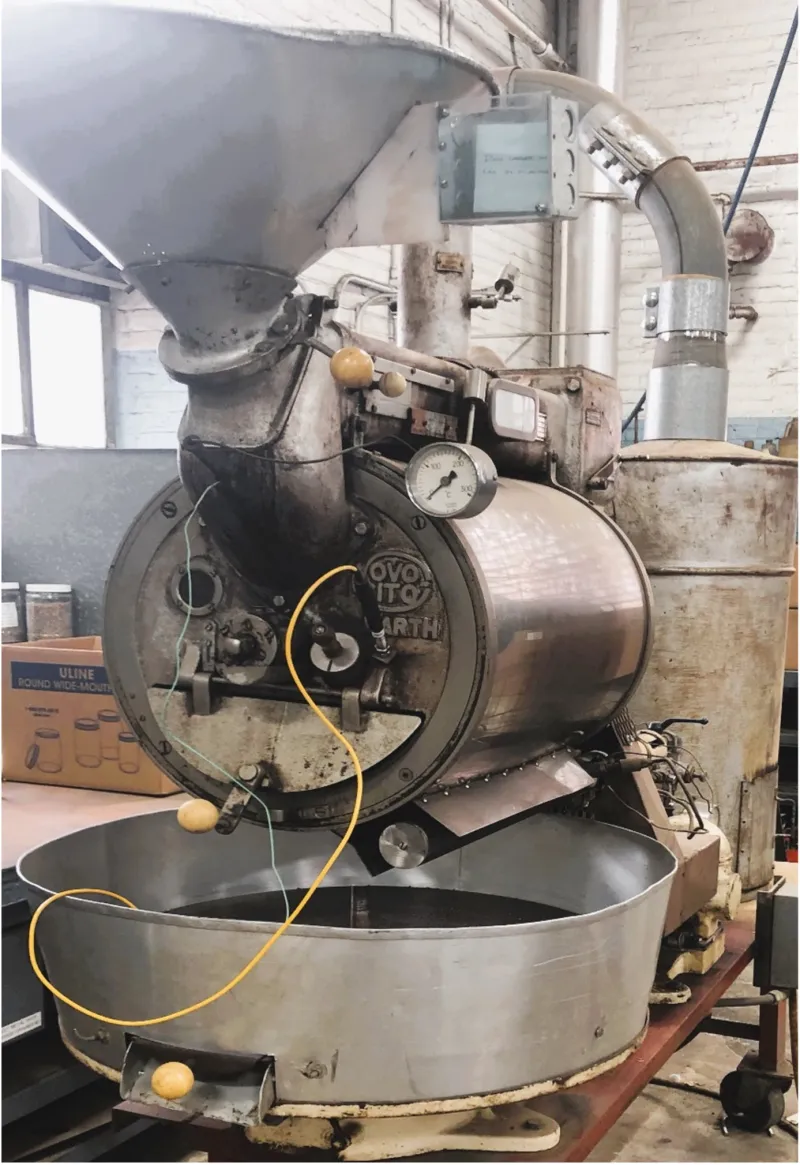
Photo: artisan roaster small batch barley grain craft Canadian workshop, via www.brewingwithbriess.com
There's a moment, according to almost every artisan roaster you'll ever speak with, when the grain tells you it's ready. It's not a timer or a temperature gauge—it's a smell, a colour, a sound. A kind of knowing that only comes from standing over a drum roaster hundreds of times and paying close attention.
For a growing number of Canadians, that moment of mastery is happening with barley.
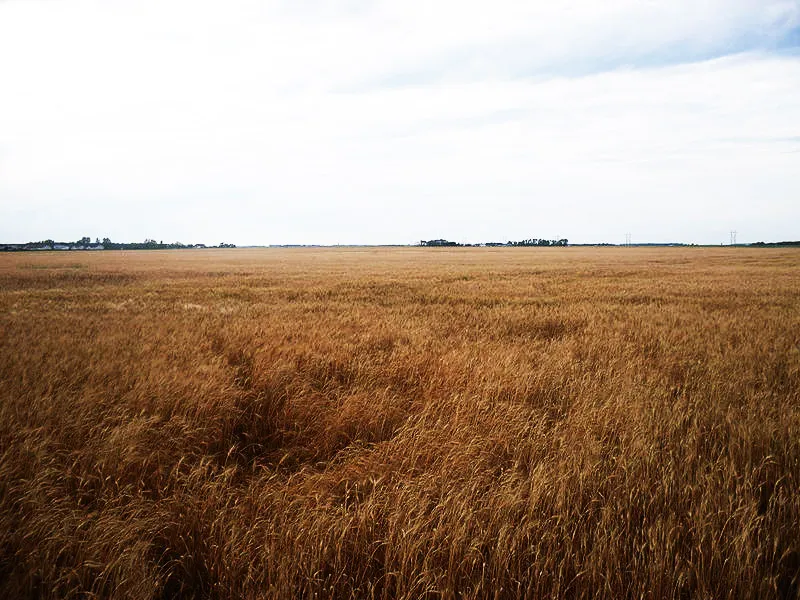
Barley tea has deep roots in East Asian tradition—a staple in Japanese, Korean, and Chinese households for generations. But something interesting is happening here in Canada. A scattered community of independent roasters, blenders, and grain enthusiasts are picking up this ancient craft and putting their own distinctly Canadian stamp on it. They're sourcing prairie-grown barley, experimenting with indigenous botanicals, and building businesses that are as much about community and culture as they are about the cup.
We reached out to five of them. Here's what they're making—and why it matters.
Hearthside Grain Co. — Saskatoon, Saskatchewan
When Priya Sandhu left her career in food science to start Hearthside Grain Co. in 2019, her family thought she was making a strange bet. "My parents came to Canada from Punjab, where grain is everything," she says, laughing. "But barley tea? That was a stretch for them."
Five years later, Hearthside has built a devoted following across the prairies, with stockists in Saskatoon, Regina, and Calgary. Priya sources all her barley directly from a family-run farm forty minutes outside of Saskatoon, and she roasts in small batches of no more than five kilograms at a time.
"The size of the batch changes everything," she explains. "With large commercial roasting, you're managing heat across a huge volume and you're always chasing consistency. With small batches, I can be responsive. I can adjust mid-roast based on what I'm smelling and seeing."
Hearthside's signature blend is a medium-dark roast that Priya describes as "nutty with a long, clean finish." But her most talked-about product is a seasonal winter blend that incorporates dried saskatoon berries—a nod to both her adopted city and the indigenous heritage of the land. "It felt right to acknowledge what this place already had before we arrived," she says.
You can order directly from hearthsidegrain.ca, and she ships across Canada.
Côte-Nord Botanicals — Sept-Îles, Québec
Jean-François Lapointe didn't set out to become a barley tea roaster. He was a marine biologist working on the north shore of the St. Lawrence when a health crisis forced him to rethink his relationship with stimulants. "I had adrenal fatigue. My doctor told me to cut caffeine completely. I was devastated," he says. "Coffee was my whole personality."
He discovered barley tea almost by accident—a Korean colleague brought some to the lab—and became obsessed with replicating it using ingredients from his own region. What emerged, after two years of experimentation, was Côte-Nord Botanicals: a line of barley tea blends that incorporate wild plants harvested from the boreal forest and coastline of northern Québec.
His most distinctive blend combines roasted barley with dried labrador tea leaves and a hint of wild rose hip—a combination that sounds unusual until you taste it. "It's earthy, it's slightly floral, and it tastes like the north shore smells after rain," he says. "I can't explain it better than that."
Côte-Nord operates almost entirely through word of mouth and a small online shop, and Jean-François is deliberate about keeping production limited. "I'm not trying to scale. I'm trying to make something true."
Westcoast Mug — Vancouver, British Columbia
Nicola and Darius Chen opened Westcoast Mug as a tea shop in Vancouver's Commercial Drive neighbourhood in 2017, but barley tea wasn't part of the original plan. It came in through the back door—literally. "My mother-in-law used to send us barley from her home in South Korea," says Nicola. "We started brewing it for staff. Then customers started asking what that smell was."
They began sourcing Canadian-grown barley from the Peace River region of BC and Alberta, roasting it in-house, and offering it as a menu item. The response was immediate and enthusiastic. Today, barley tea accounts for nearly a third of Westcoast Mug's retail sales, and the couple have developed four distinct roast profiles—light, medium, dark, and a hojicha-inspired blend that incorporates roasted green tea for those who want a gentle caffeine bridge.
"We think of it as a spectrum," says Darius. "Some people want something very clean and mild. Others want a really deep, toasty roast that feels substantial. We want to have something for everyone who walks through the door."
Westcoast Mug sells online at westcoastmug.ca and ships within Canada.
Thornfield Roasters — Prince Edward Island
On the red soil of PEI, where potatoes get all the agricultural glory, Amara MacPherson is quietly doing something quietly revolutionary with barley. Thornfield Roasters started as a side project during the pandemic—something to do with her hands while the world was on pause—and grew into a full-time operation by 2022.
"PEI barley is genuinely exceptional," she says with the kind of conviction that makes you want to take notes. "The soil, the maritime climate, the way the grain develops here—it's different. I knew if I could find the right roast profile to highlight that terroir, I'd have something special."
Amara's approach is methodical: she keeps a detailed roasting journal for every batch, tracking temperature curves, ambient humidity, and sensory notes. Her light roast, which she calls the "Island Blonde," has won her a loyal following among people who find traditional barley tea too intense. It's pale, delicate, and slightly sweet—more like a grain tisane than a traditional roasted brew.
She sells at the Charlottetown Farmers' Market and through her website, thornfieldroasters.ca.
Northern Kettle Project — Whitehorse, Yukon
Perhaps the most unexpected entry on this list is the Northern Kettle Project, a collective of three friends in Whitehorse who started roasting barley tea in a converted garage and now supply cafés and co-ops across the Yukon and northern BC.
Founders Marcus, Elise, and Tomas were drawn together by a shared frustration with the limited options for quality non-alcoholic beverages in the North. "Up here, your choices are coffee, tea from a bag, or nothing," says Elise. "We wanted to create something that felt special and intentional—something worth seeking out."
The collective's roasts are bold and unapologetic, designed for cold northern winters and long dark evenings. Their most popular product is a deeply roasted barley blend they call "The Long Night," which they describe as "campfire in a cup." They've also collaborated with a local Yukon First Nation to develop a blend incorporating traditional plants—a partnership they speak about with visible care and respect.
"We're guests on this land," says Marcus. "Any collaboration we do with indigenous community members has to be led by them, on their terms. We're just grateful to be part of the conversation."
The Northern Kettle Project ships within Canada and can be found at northernkettleproject.ca.
Why It Matters
These five makers are doing more than just roasting grain. They're building an argument—that barley tea deserves a place in Canada's food culture not as an imported novelty, but as something genuinely, proudly local. Canadian barley is among the finest in the world. The craft is learnable. The flavour possibilities are vast.
And unlike the mass-market wellness drinks crowding pharmacy shelves, every bag from these makers comes with a story, a place, and a person behind it.
That's worth something. Maybe it's worth a cup.