Same Grain, Different Story: What Canadian Prairie Barley Brings to Your Cup That Imports Simply Can't
There's a moment a lot of barley tea drinkers describe — the first time they brewed a bag of Canadian-grown barley tea after years of reaching for Japanese mugicha or Korean boricha off the import shelf. Something tasted different. Not worse, not better necessarily, but distinct. Earthier, maybe. A little nuttier. Like the grain had something extra to say.
That difference isn't accidental. It comes down to terroir — a word we usually associate with wine but one that applies just as meaningfully to roasted grain beverages. Where barley grows, how it grows, and what surrounds it in the soil all shape the flavour you eventually taste in the cup. And when it comes to Canadian barley, those conditions are unlike anywhere else on earth.
The Land Behind the Flavour
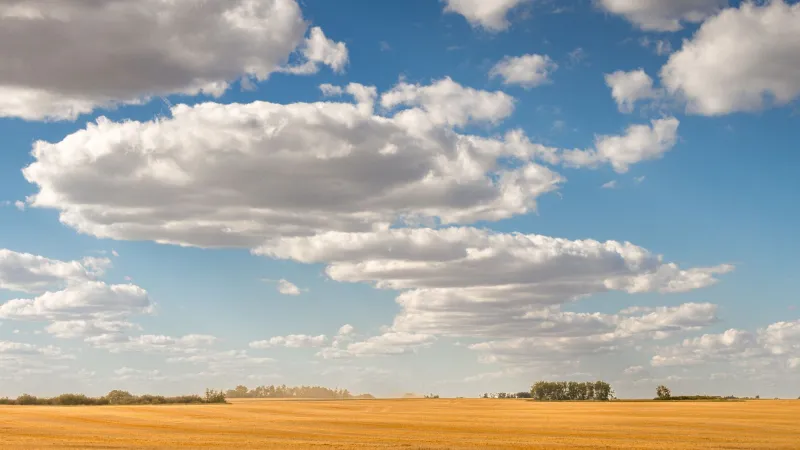
Canada is one of the world's top barley producers, with the bulk of the crop coming out of Alberta, Saskatchewan, and Manitoba. These provinces sit on some of the most fertile agricultural land on the planet — glacially deposited soils with deep organic matter, strong mineral content, and a pH balance that barley genuinely thrives in.
But it's not just what's in the soil. It's the climate rhythm. Prairie barley grows through relatively short summers with long daylight hours — sometimes 16 to 17 hours of sunlight at peak season. That extended light exposure pushes the plant to photosynthesise more intensely, concentrating sugars and starches in the grain in ways that differ from barley grown in the more temperate, humid climates of Japan or Korea.
"The cold nights we get even in July and August slow the grain's maturation just enough," explains one Alberta barley farmer who has been supplying grain to craft tea blenders for several years. "That slower finish means the starch converts more completely, and when you roast it, you get a deeper, more complex flavour profile. There's a reason Prairie malt is sought after by brewers worldwide — the same principle applies to tea."
How Asian Varieties Are Grown — And Why They Taste the Way They Do
Traditional Japanese mugicha and Korean boricha are deeply beloved, and for good reason. These beverages have been refined over centuries, with specific barley cultivars selected for qualities that suit the humid, temperate climates of East Asia. Japanese barley, for instance, tends to be hulled two-row barley grown in coastal or river valley conditions. The result is a lighter, slightly sweeter roast with a clean, almost floral finish — gentle and cooling, which is why it's traditionally served cold in summer.
Korean boricha often carries a slightly smokier, more robust character depending on the roasting method, but still reflects the softer mineral profile of Korean agricultural soil.
Neither of these is inferior. They're just expressing their own landscapes.
The key difference is that Canadian barley — particularly six-row varieties grown on the Prairies — tends to have higher protein content and a more pronounced starchy core. When roasted, those proteins contribute to a richer, more toasty aroma with notes that some describe as closer to dark bread or roasted nuts than the lighter, grain-forward taste of many Asian imports.
The Roasting Variable: Where Craft Meets Terroir
Of course, the raw grain is only half the equation. How that grain gets roasted has an enormous impact on what ends up in your mug.
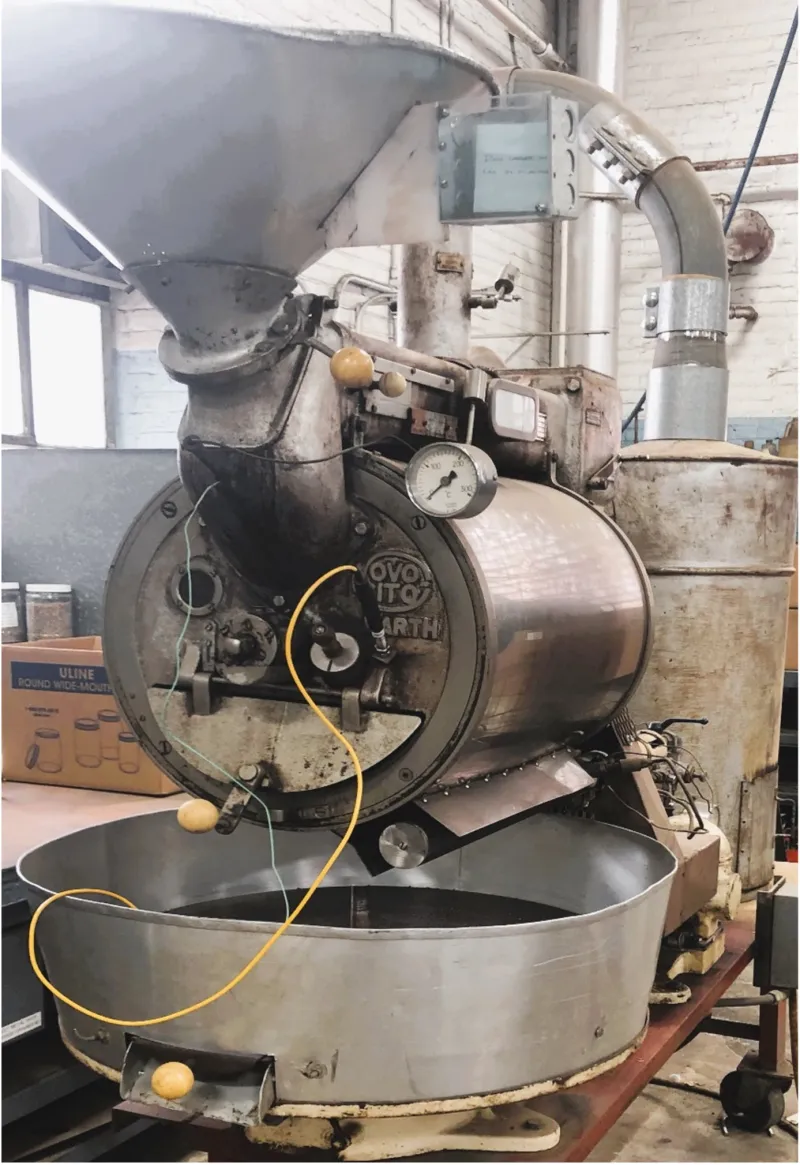
Many large-scale imported barley teas are roasted to a consistent, standardised profile — reliable and familiar, but not always pushing the flavour ceiling. Canadian craft tea blenders, on the other hand, are increasingly experimenting with roast levels, treating the process more like specialty coffee roasting than commodity production.
"We've been playing with light roasts, medium roasts, and full dark roasts on the same batch of Prairie barley," says one small-batch tea blender based in Calgary who sources directly from family farms in southern Alberta. "Each level brings out something completely different. A light roast keeps a lot of the grain's natural sweetness. Go darker and you start pulling out these incredible caramel and smoky notes that you just don't find in the imported bags."
This kind of hands-on approach to roasting — combined with the unique raw material of Canadian-grown grain — is what's allowing domestic barley tea to carve out its own identity rather than simply imitate what's been done in Asia for centuries.
What to Look for When You're Choosing Between Domestic and Imported
So how do you actually navigate the shelf — or the online shop — when you're trying to decide what to buy? Here are a few practical things worth paying attention to.
Origin transparency. A quality barley tea, whether domestic or imported, should tell you where the barley was grown. "Product of Canada" on the label is a start, but ideally you want to know the province and, even better, the specific region or farm. Prairie-grown barley from Alberta or Saskatchewan carries a distinct profile worth seeking out.
Roast date, not just best-before. Roasted barley loses its aromatic complexity over time. Look for products that include a roast date or packaging date, and try to brew within six to twelve months for the best flavour.
Whole grain versus flour-based bags. Some lower-cost imported options use barley flour or heavily processed grain rather than whole roasted kernels. Whole grain bags tend to produce a cleaner, more nuanced brew.
Smell before you steep. This sounds obvious, but open the package and take a breath. Good barley tea — Canadian or imported — should smell like something worth drinking. Toasty, nutty, warm. If it smells flat or dusty, the grain is probably past its prime.
Why This Conversation Matters Beyond the Cup
There's a broader reason to care about where your barley tea comes from, and it goes beyond flavour snobbery.
Canadian barley farming has a long, proud history — one that stretches back to early settler agriculture and runs right through to today's innovative grain producers who are exploring heritage varieties and regenerative growing practices. When consumers start asking for Canadian-grown barley tea, they're not just making a taste choice. They're supporting a domestic agricultural supply chain, reducing the carbon footprint of their daily beverage, and connecting to a food culture that's genuinely rooted in this land.
For health-conscious Canadians who already think carefully about where their food comes from — whether it's the farmers' market vegetables in their fridge or the locally roasted coffee in their pantry — barley tea is a natural next step in that same mindset.
The grain has been here all along. The Prairie soil has been quietly doing its work for generations. It just took a growing curiosity about what's actually in our cups to start paying attention to the difference.
And once you taste it — really taste it, side by side with an import — that difference is hard to ignore.