Hot Drink, Cool Aesthetic: How Young Canadians Put Barley Tea on the For You Page
Photo: Théodore Ralli, Public domain, via Wikimedia Commons
There's a video floating around TikTok of a 22-year-old in a Montreal apartment pouring cold-brewed barley tea over a glass full of crushed ice, adding a splash of oat milk and a drizzle of honey, and filming the whole thing in golden-hour light with a lo-fi playlist in the background. It has 340,000 views. The comments are full of people asking where to buy the grain, how long to steep it, and whether it tastes anything like the stuff their Korean or Japanese grandparents used to make.
The answer, for most of them, is yes — and that's kind of the whole point.
From the Back of the Pantry to the Front of the Feed
Barley tea has never really disappeared from Canadian households with East Asian roots. For generations of Korean-Canadian and Japanese-Canadian families, boricha and mugicha were as ordinary as tap water — poured from thermoses into school lunches, served cold at summer barbecues, simmered on the stove in winter. It was background noise, the kind of drink you didn't think much about until you left home and suddenly missed it.
What's changed is who's paying attention. Gen-Z Canadians — both those with a personal connection to the drink and those discovering it entirely fresh — have started treating barley tea less like a cultural artefact and more like a creative canvas. And social media is where that transformation became visible.
"I grew up drinking it at my halmoni's house and kind of forgot about it for years," says Jisoo Park, 24, a food content creator based in Toronto. "Then I started seeing it pop up in these really beautiful aesthetic videos and I thought — wait, I know this drink. I just never thought to film it."
She started posting her own barley tea content about eight months ago. Her most popular video, a side-by-side comparison of cold barley tea versus iced matcha, racked up over 200,000 views and sparked a comment section full of Canadians sharing their own family memories of the drink.
The Aesthetic Upgrade
Part of what's driving the barley tea moment on social media is purely visual. The drink has a warm amber colour that photographs beautifully, especially in natural light. Poured over ice in a clear glass, it has a depth and richness that reads as premium without requiring expensive equipment or elaborate technique.
Canadian creators have leaned into this hard. Barley tea lattes with frothed oat milk. Barley tea lemonade with fresh mint. Iced barley tea in reusable glass bottles styled against linen and ceramic. The drink slots perfectly into the "quiet luxury" and "slow living" aesthetics that dominate wellness content right now — unpretentious, rooted, and genuinely pretty.
"It's the kind of drink that looks like it belongs in a high-end café but costs almost nothing to make at home," says Theo Nguyen, 26, who runs a small barley tea pop-up at weekend markets in Vancouver. "That combination is basically catnip for this generation."
Theo started his pop-up after noticing that the barley tea his mother made growing up attracted more curiosity from his friends than any of the trendy drinks he'd tried. He now sells three seasonal blends — plain roasted barley, barley with dried elderflower, and barley with Saskatoon berry — and regularly sells out within the first hour.
Reinventing the Recipe Book
One of the most exciting parts of the Gen-Z barley tea revival is the willingness to experiment. Traditional preparation is simple and respected, but younger Canadians are treating it as a starting point rather than a rulebook.
Some of the most popular recipe trends right now:
Barley Tea Milk Tea — Cold-brewed barley tea mixed with condensed milk or sweetened oat milk, served over ice. A gentler, caffeine-free alternative to Thai iced tea that's caught on in university towns from Kingston to Kelowna.
Barley Tea Lemonade — A summer staple that pairs the roasted nuttiness of the tea with bright citrus. Wildly popular at outdoor markets and easy to batch for parties.
Barley Tea Smoothie Base — Using cold barley tea instead of water or dairy as the liquid base for smoothies, adding a subtle depth of flavour without overpowering other ingredients.
Sparkling Barley Tea — Cold-brewed tea mixed with plain sparkling water and a squeeze of yuzu or lemon. Clean, refreshing, and photogenic.
The creativity doesn't stop at the drink itself. Packaging matters enormously to this demographic. Young Canadian entrepreneurs are investing in thoughtful branding — kraft paper labels, minimalist typography, earthy colour palettes — that signals authenticity without trying too hard.
Why This Generation, Why Now?
It would be easy to write off the barley tea trend as another fleeting social media cycle, the beverage equivalent of a viral pasta recipe. But there's something more durable happening here.
Gen-Z Canadians are navigating a wellness landscape that's become simultaneously overwhelming and exhausting. Supplements, adaptogens, functional mushrooms, probiotic everything — the options are endless and the marketing is relentless. Against that backdrop, barley tea's simplicity feels almost radical. It's a single ingredient. It's been around for centuries. It doesn't need a clinical study to justify its existence.
"There's a real fatigue with complicated wellness," says Priya Sandhu, a Vancouver dietitian who works with a lot of younger clients. "People want something that feels genuine and grounded. Barley tea fits that perfectly — it's not trying to be a superfood. It's just a good, honest drink with a long history."
There's also a cultural reclamation happening in real time. For many second and third-generation Canadian kids who grew up feeling slightly embarrassed by foods and drinks that marked them as different, seeing those same things celebrated online — by people who look like them and by curious newcomers alike — carries genuine emotional weight.
"My mum used to pack barley tea in my thermos and I'd kind of hide it at lunch," Jisoo Park admits. "Now I'm making content about it and people are asking me to teach them how to make it. That's a full circle moment I didn't expect."
The Grain Beneath the Trend
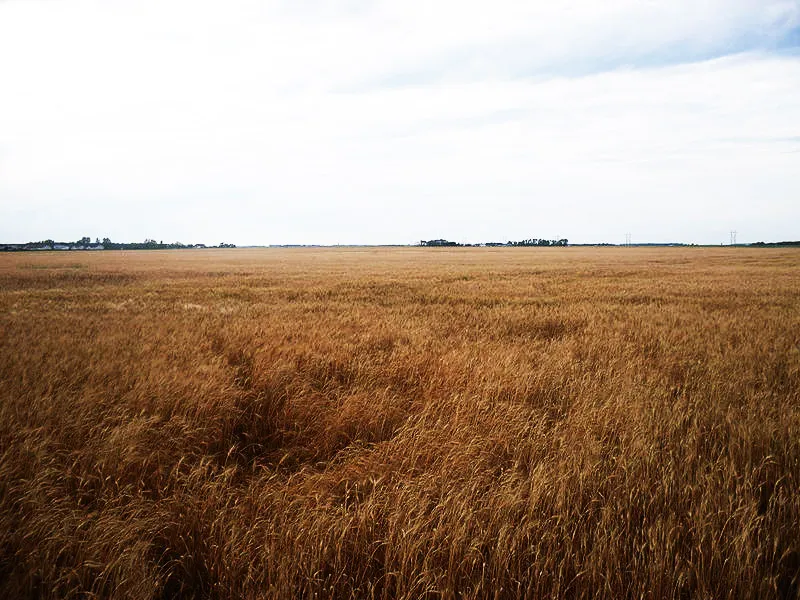
What makes this moment feel sustainable rather than just seasonal is that barley tea has actual substance to back up the aesthetic. It's naturally caffeine-free, affordable, made from a grain that Canada grows in abundance, and genuinely delicious once you get to know it. The social media moment didn't create those qualities — it just finally pointed a camera at them.
For a generation of Canadians looking for drinks that are honest about what they are, easy on the wallet, and connected to something real, barley tea isn't just trending. It's arriving.