Grain That Almost Got Away: The Prairie Story Behind Canada's Most Unexpected Wellness Drink

There's a kind of poetic irony in the fact that barley tea — one of the oldest beverages in human history — spent decades in Canada being treated as an afterthought. Walk into a grain elevator in rural Saskatchewan twenty years ago and ask about barley's highest and best use, and you'd probably get a sideways look followed by something about malting or livestock. The idea that someone might roast it, steep it, and sell it as a premium wellness drink would have been a punchline.
Things look pretty different now.
The Feed Lot Pipeline — and Why It Dominated for So Long
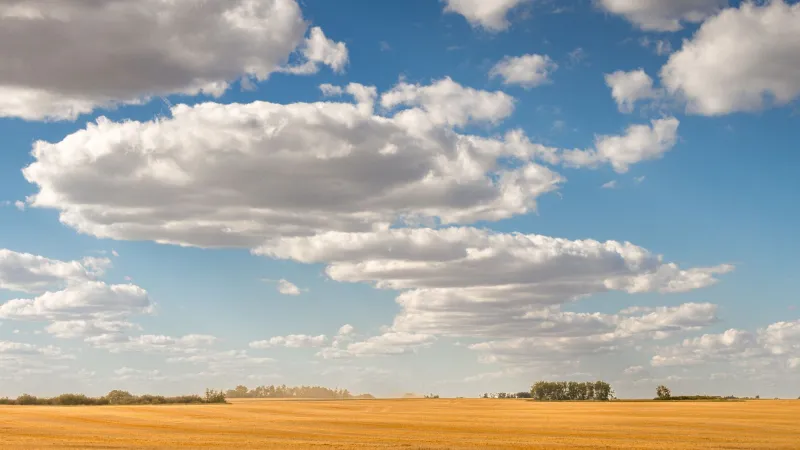
Canada is one of the world's major barley producers. The prairies — Alberta, Saskatchewan, and Manitoba — collectively grow millions of tonnes of the stuff every year. Historically, the vast majority of that harvest flowed into two channels: malting for the brewing industry, and feed grain for cattle and hog operations.
Neither of those uses is bad, exactly. But they do create a kind of ceiling. Feed-grade barley trades at commodity prices, which means farmers are largely at the mercy of global markets, weather cycles, and the downstream demand from livestock producers. There's very little margin to play with, and even less opportunity to tell a story about what you're growing.
For a lot of prairie farmers, barley was just... barley. Reliable, yes. Profitable enough, sometimes. But not something that generated much excitement at the kitchen table.
A Different Kind of Buyer Shows Up
The shift started quietly, the way most agricultural revolutions do. Small-batch food producers and wellness-focused beverage companies began looking at barley with fresh eyes — not as a commodity input, but as a whole grain with genuine culinary and nutritional character. The roasting process, which brings out barley's nutty, slightly caramel depth, suddenly made it interesting in a completely different context.
For farmers who had spent years watching their barley disappear into anonymous supply chains, the appeal of working with buyers who actually cared about variety, growing practices, and origin was significant. Some producers began setting aside specific plots for food-grade or tea-grade barley — grain that would be handled more carefully, stored differently, and sold at a price that reflected something beyond the commodity floor.
The economics aren't just slightly better. They're meaningfully better. When a grain goes from feed input to branded consumer product, the value captured at the farm level can be substantially higher — and crucially, more of that value stays in rural communities rather than evaporating into global commodity markets.
Circular Thinking on the Canadian Farm
What makes the barley tea story particularly compelling from a sustainability standpoint is how neatly it fits into a circular agricultural model. Nothing about growing barley for tea requires a dramatic overhaul of existing prairie farming systems. The same fields, the same equipment, the same basic agronomic knowledge — what changes is the intention behind the harvest and the relationship between grower and end buyer.
Some farmers have described it as finding a new market for something they were already good at producing. The barley doesn't need to be genetically modified, heavily processed, or shipped overseas to become valuable. It gets roasted — often by small Canadian producers — and ends up in a cup somewhere in Toronto, Vancouver, or Halifax. That's a supply chain with remarkably few steps, which is rare in the food and beverage world.
There's also a soil health dimension worth mentioning. Barley is a hardy, relatively low-input crop that performs well in Canadian growing conditions. It fits naturally into crop rotations that support soil structure and reduce erosion. Farmers who grow barley for tea aren't doing anything dramatically different agronomically, but they're getting a better return on a practice that already makes sense from a land stewardship perspective.
What Consumers Are Actually Choosing
Here's the part that doesn't always get said clearly enough: when a Canadian reaches for barley tea instead of an imported herbal blend or a heavily packaged energy drink, they're making a choice that has real downstream effects on prairie agriculture.
It's not a dramatic gesture. Nobody's saving the family farm with a single bag of roasted barley. But purchasing decisions do accumulate, and the growth of Canadian barley tea as a consumer category creates genuine demand signals that reach all the way back to the field.
Farmers who can access premium markets for food-grade grain have more options. More options mean more flexibility to invest in soil health, try new varieties, or reduce their dependence on commodity price swings. It's a modest but meaningful form of agricultural resilience, and it's being built one cup at a time.
For health-conscious Canadian consumers who already think about where their food comes from, barley tea offers something most wellness beverages can't quite match: a direct, traceable connection to Canadian land and the people who farm it.
The Craft Roasters Bridging Farm and Cup
Between the field and your mug, there's another layer of the story worth appreciating — the small-batch roasters and beverage producers who are figuring out how to bring out the best in Canadian barley.
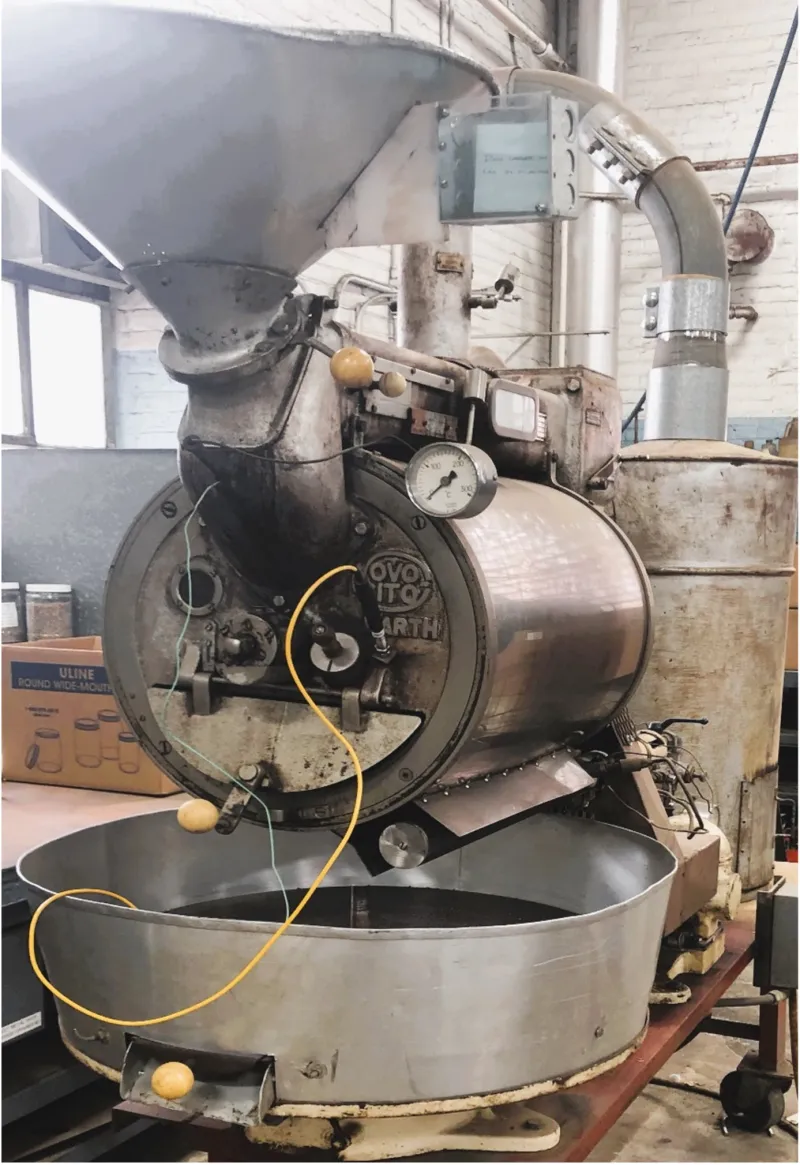
Roasting grain for tea is a craft in its own right. Temperature, time, and the specific character of the barley variety all influence the final flavour profile. Some producers are experimenting with lighter roasts that preserve a more delicate, almost grassy note. Others push toward a darker roast that gives the brew a toasty, almost coffee-like depth. Getting it right takes attention and skill, and the Canadian producers doing this work are developing genuine expertise.
Many of them have built direct relationships with prairie farmers — the kind of relationships where the roaster knows the name of the farm, and the farmer knows where their grain is going. That kind of supply chain transparency is increasingly rare, and it's something worth valuing.
From Overlooked to Intentional
The transformation of Canadian barley from anonymous feed commodity to thoughtfully sourced wellness drink is still in its early chapters. The volumes involved are modest compared to the broader grain trade. But the trajectory is clear, and the logic behind it is sound.
A grain that grows well in Canadian conditions, supports healthy soil, requires minimal processing, and produces a genuinely delicious, caffeine-free beverage with a long cultural history — that's not a niche curiosity. That's a product waiting to find its moment.
For the farmers who've been growing barley their whole lives, there's something satisfying about watching it finally get the recognition it deserves. And for the rest of us, there's something grounding about drinking something so directly connected to the Canadian land that produced it.
The feed store and the teacup aren't as far apart as they used to seem.